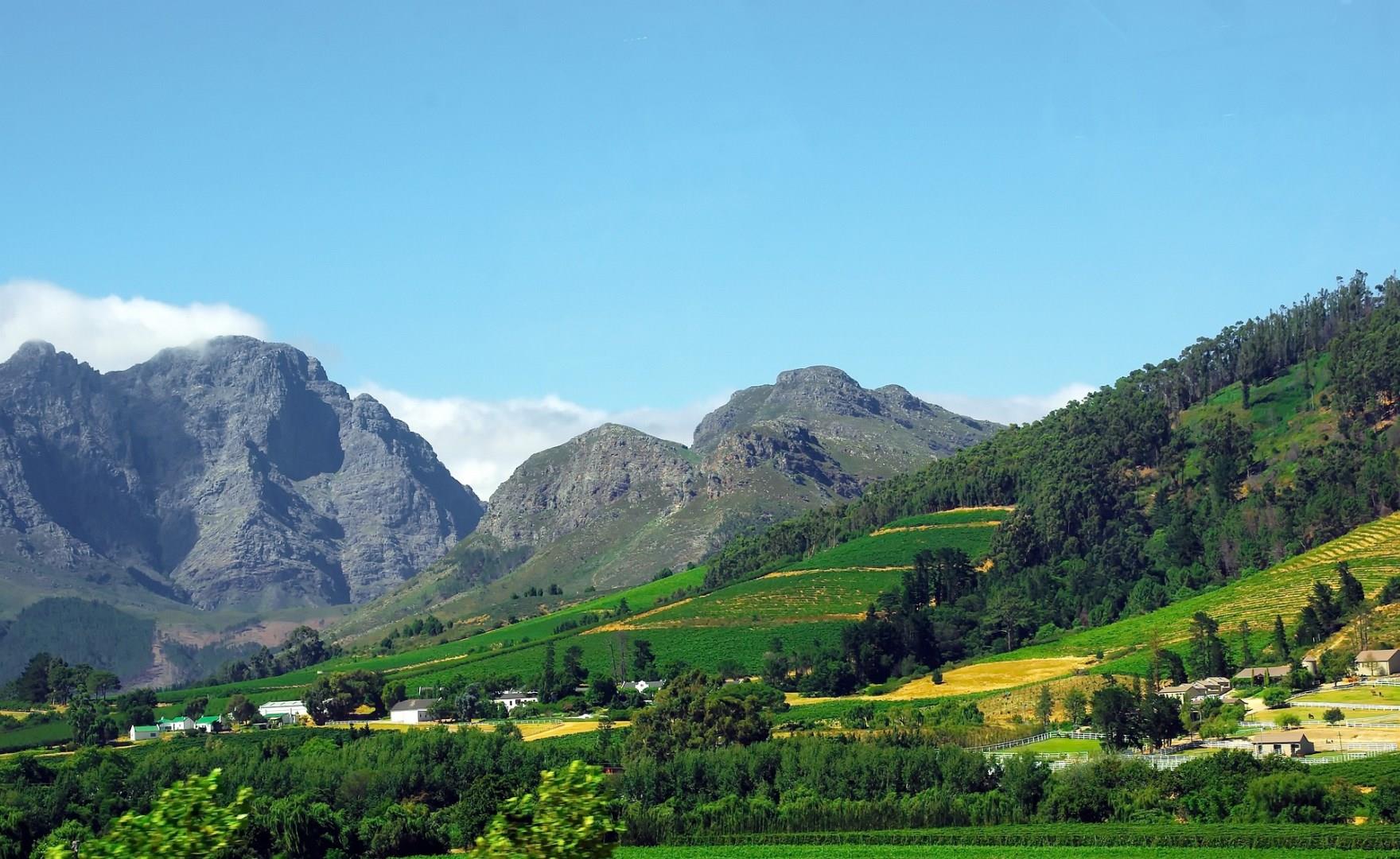
Mikumi National Park
Mikumi National Park, located in Tanzania's southern highlands, offers a pristine and relatively undiscovered safari experience. Spanning over 3,230 square kilometers, Mikumi is part of the larger Selous Ecosystem, providing a diverse range of habitats from open grasslands to dense miombo woodlands. This park is an excellent choice for those seeking a more tranquil alternative to the more frequented Serengeti and Ngorongoro Crater.

Toulon
Toulon, a vibrant port city on the French Riviera, is a hidden gem waiting to be explored. Known for its deep natural harbor, Toulon has long been a significant naval base for France, and the city's maritime heritage is still very much alive today. Visitors can explore the bustling Toulon Harbor, where yachts, fishing boats, and naval vessels coexist in a lively display of seafaring life.

Ishigaki
Ishigaki, the vibrant hub of the Yaeyama Islands in Japan, is a tropical paradise renowned for its stunning natural beauty and unique cultural heritage. As the largest island in the Yaeyama group, Ishigaki is celebrated for its breathtaking beaches and crystal-clear waters, such as the pristine Kabira Bay, famous for its turquoise hues and coral reefs.
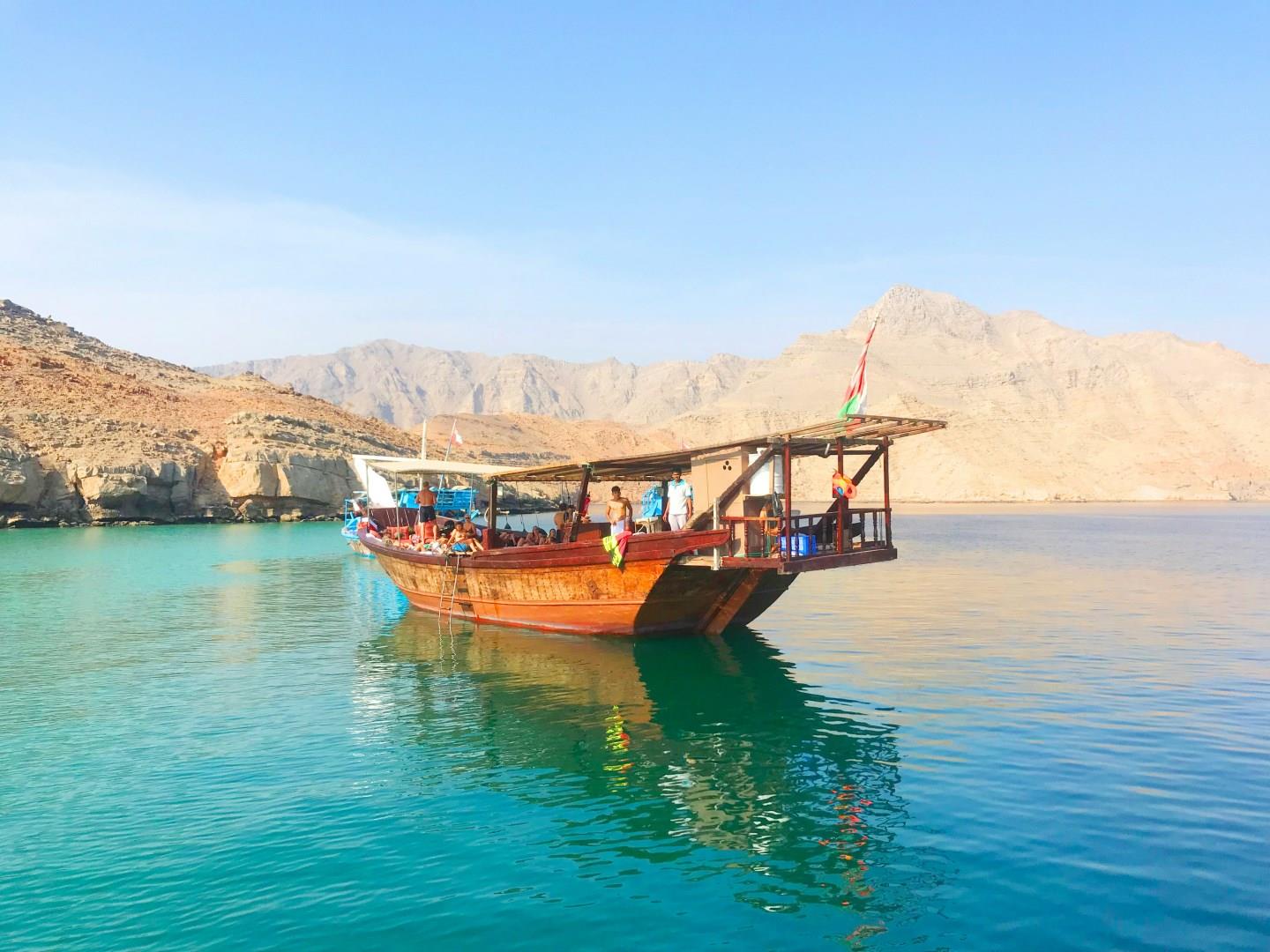
Khasab
Khasab stands at the edge of Oman’s Musandam Peninsula, where rocky inlets carve into the land like desert fjords and earning it the nickname "Norway of Arabia." A short dhow ride uncovers soaring cliffs and narrow waterways, often mirrored by pods of dolphins gliding beside the wooden vessel. These traditional dhows, used for centuries by traders, now carry visitors into those coastal arms for snorkeling, swimming, and quiet reflection.

Sicily
Sicily, the largest island in the Mediterranean, is a captivating blend of ancient history, stunning landscapes, and vibrant culture. The island’s rich past is evident in its archaeological treasures, with Greek, Roman, Arab, and Norman influences shaping its architecture and traditions. The Valley of the Temples in Agrigento is a must-visit for history lovers, where you can wander among some of the best-preserved Greek temples outside of Greece.