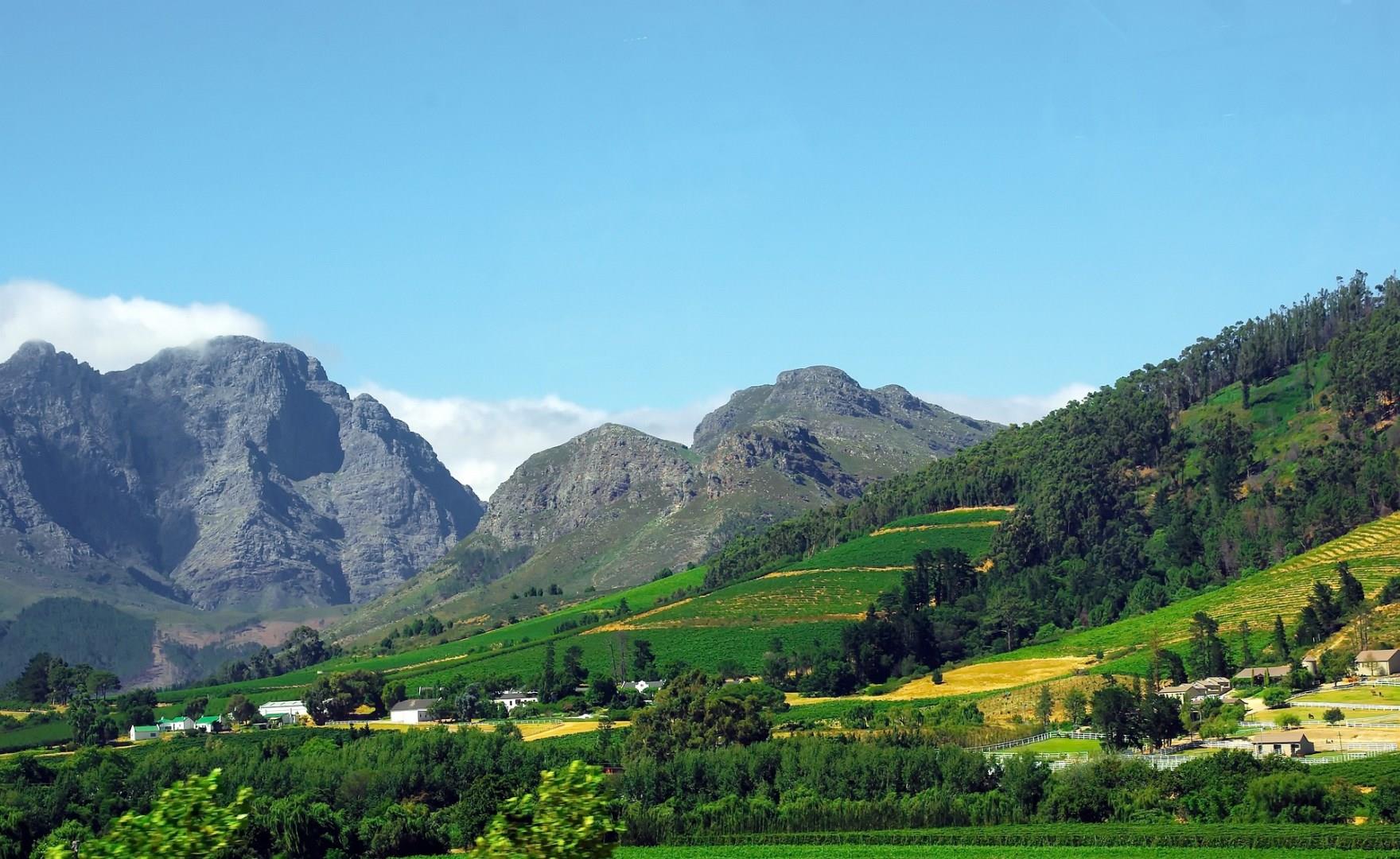
St. Lawrence River
From its natural wonders to its historic charm, the St. Lawrence River invites visitors to explore its endless possibilities. Whether by land or water, this iconic river promises a journey filled with discovery and unforgettable moments.
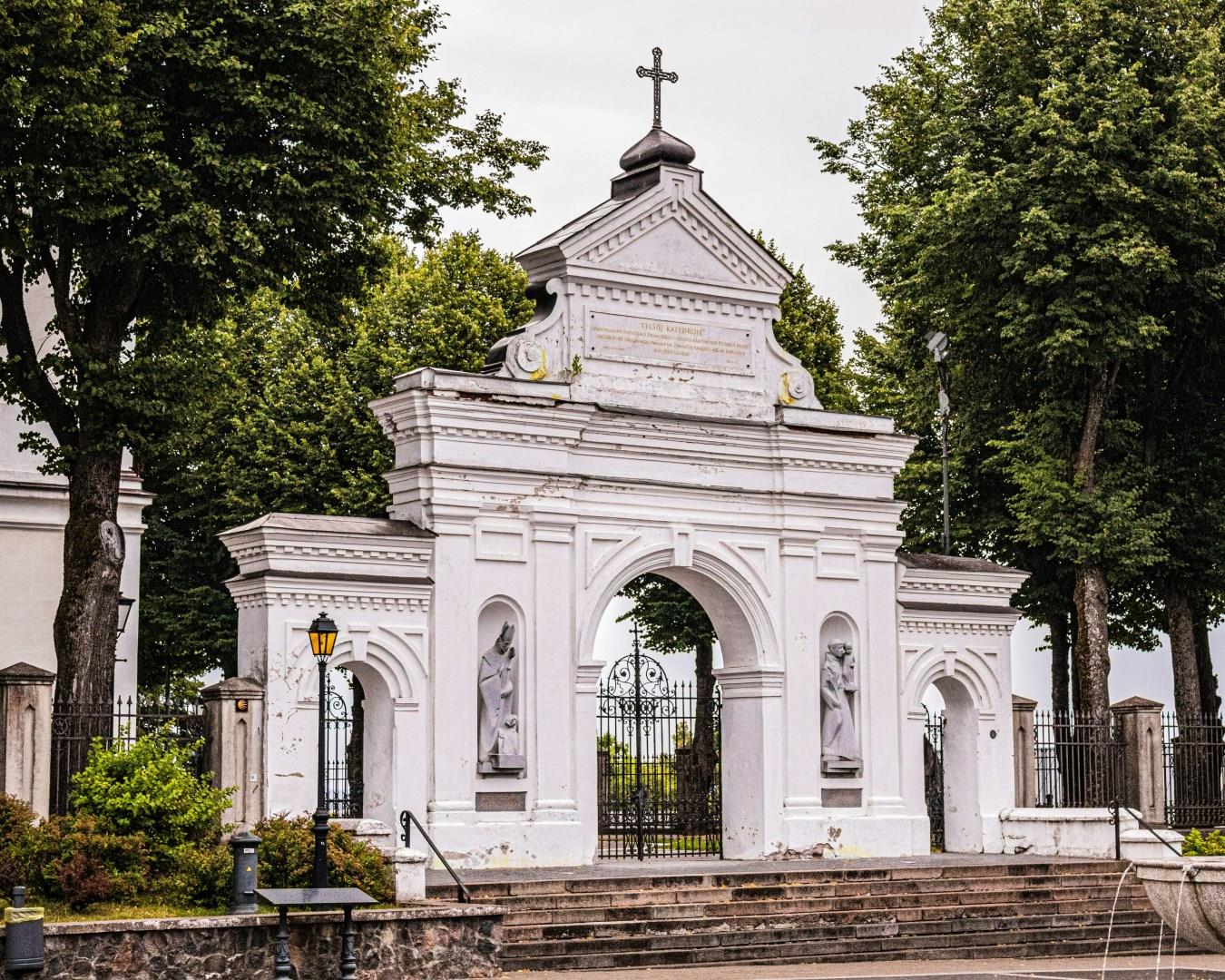
Telšiai
Telšiai, often called the capital of Lithuania’s Samogitia region, offers visitors a deep dive into a unique cultural heritage paired with striking natural settings. The town is set on the shores of Lake Mastis, where the reflections of historic buildings and lush forests create a calm and inviting atmosphere. Telšiai’s old market square bustles with life and is home to some of the town’s most notable landmarks, including the Neo-Gothic St. Anthony of Padua Cathedral.
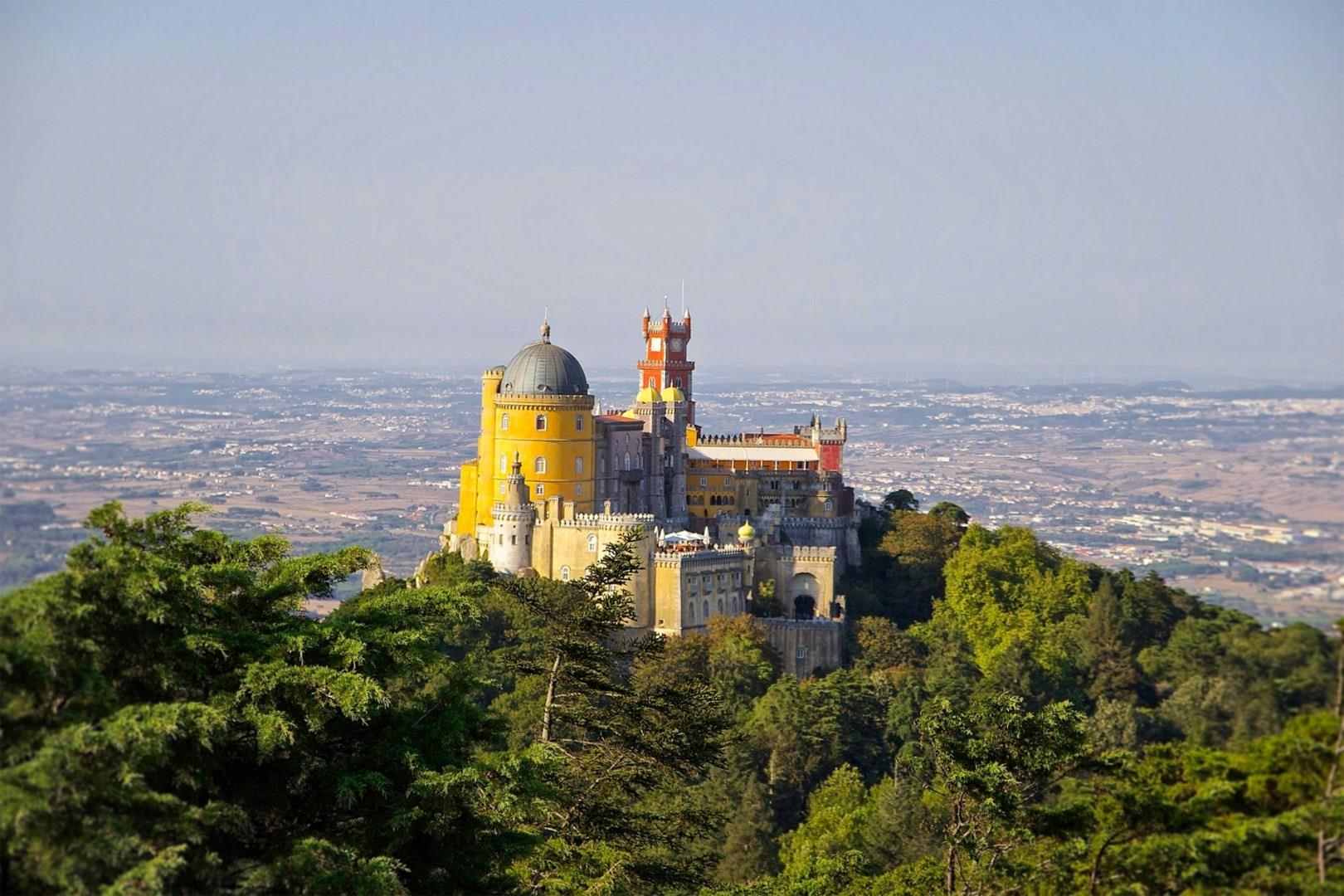
Sintra
Sintra, located just 40 minutes from Lisbon, feels like a world apart. Tucked into the hills of the Serra de Sintra, this town has drawn kings, poets, and explorers for centuries. It was once the summer retreat of Portuguese royalty, who left behind palaces and gardens that seem pulled from a storybook. The most famous, Palácio da Pena, is perched high above the town with bold red and yellow towers that blend Romanticism with Moorish and Gothic styles.

Šibenik
Sibenik, located on Croatia's stunning Adriatic coast, is a hidden gem that blends rich history with a vibrant atmosphere. The town's cobblestone streets and captivating architecture, including the famous Cathedral of St. James, offer a glimpse into its storied past. Visitors can explore the medieval St. Michael's Fortress, which provides panoramic views of the city and sea.

Uruguay
Uruguay may be one of South America's smallest countries, but it packs a striking variety of experiences into its compact borders. From the cobbled streets of Colonia del Sacramento to the avant-garde coastline of José Ignacio, Uruguay blends old-world charm with modern personality. Montevideo, the capital, offers a glimpse into everyday life with its seaside promenade, called the “Rambla,” which stretches over 20 kilometers along the Río de la Plata.