Manompana
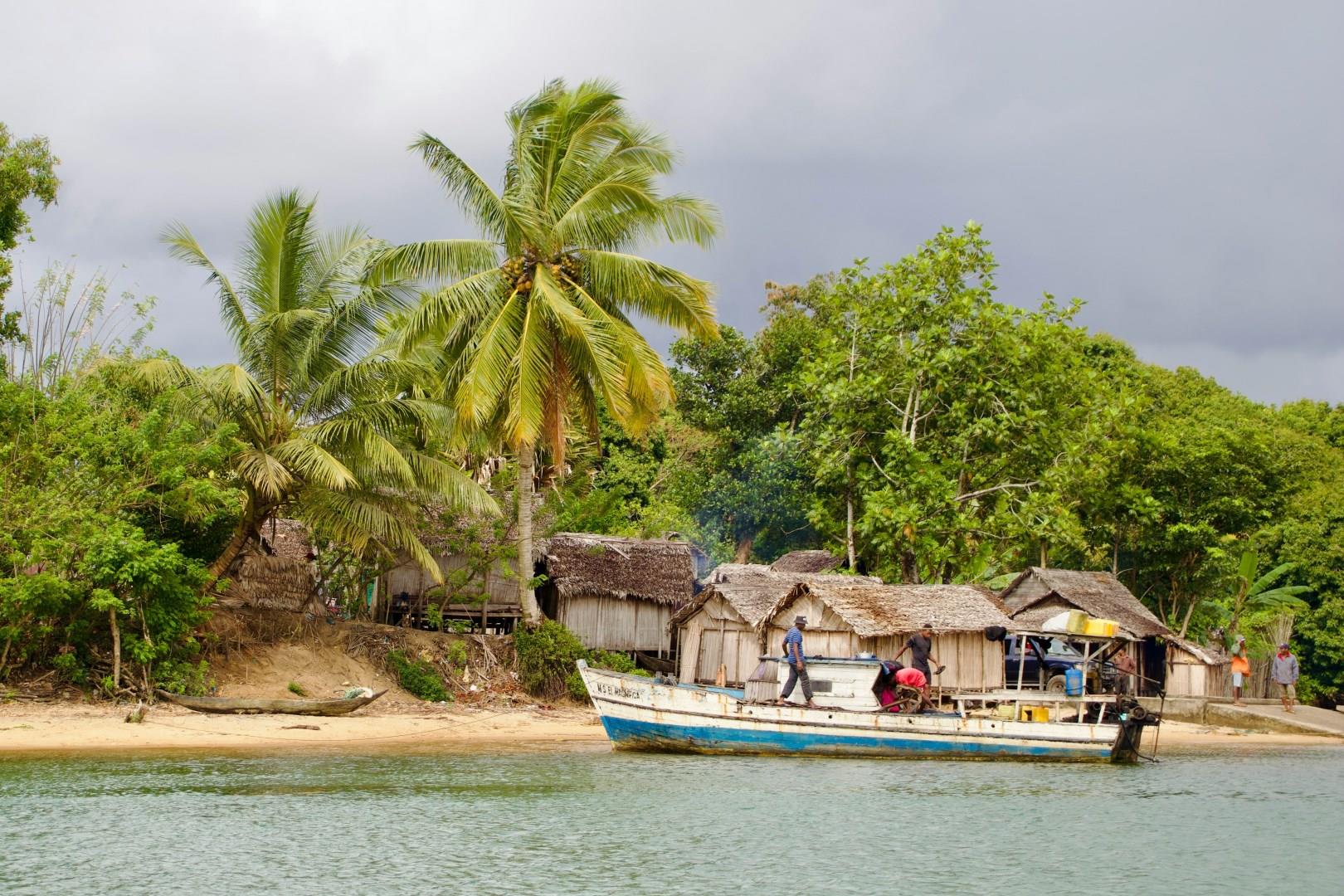
Manompana is a small coastal town in northeastern Madagascar, located in the Analanjirofo Region along the Indian Ocean. The town sits at a low elevation and enjoys a tropical rainforest climate, with warm temperatures and abundant rainfall throughout the year.

San Juan
San Juan, Puerto Rico’s capital, is a city where cobblestone streets lead to centuries-old forts and pastel-colored buildings overlook the Atlantic. The district of Old San Juan is a UNESCO World Heritage Site, known for its Spanish colonial architecture and thick stone walls that once defended the city from pirates and naval attacks. The city hosts regular events such as La Campechada, which celebrates Puerto Rican art and literature with live performances and open-air exhibits.
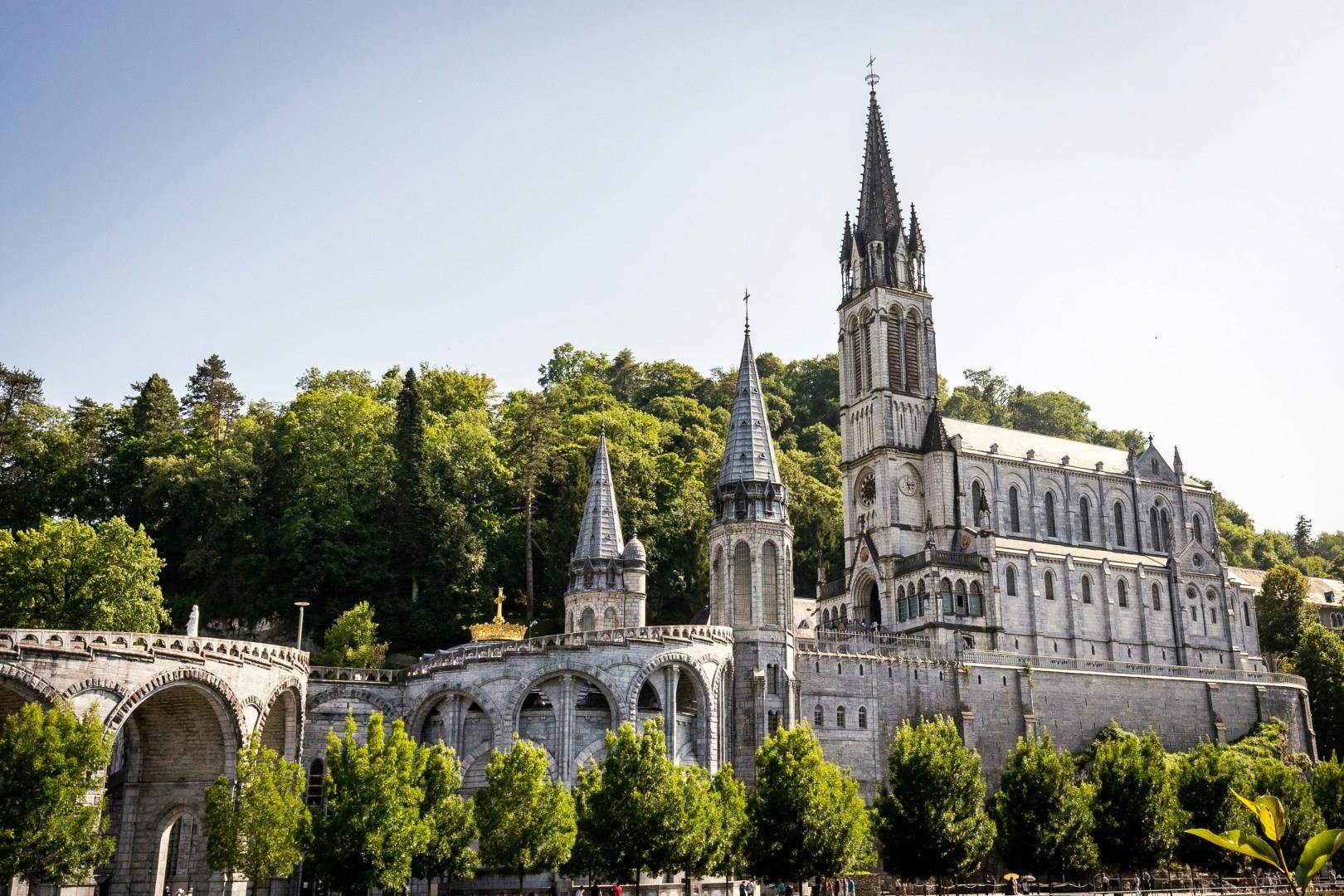
Lourdes
Located at the foot of the Pyrenees in southwestern France, Lourdes is best known for the Marian apparitions reported by 14-year-old Bernadette Soubirous in 1858. These events transformed the small market town into one of the most visited pilgrimage sites in the world. The Sanctuary of Our Lady of Lourdes, which includes the Grotto of Massabielle, the Basilica of the Immaculate Conception, and the underground Basilica of St. Pius X, draws millions each year.

Yellowstone National Park
Yellowstone National Park, America's first national park, stands as a stunning testament to nature’s raw power and beauty. Located primarily in Wyoming, with portions extending into Montana and Idaho, Yellowstone offers visitors a chance to witness incredible geothermal wonders, such as the famous Old Faithful geyser that faithfully erupts every 60 to 110 minutes.

Istanbul
Istanbul is a city built on layers of empire. Spanning two continents, it was once the capital of three major empires: Roman, Byzantine, and Ottoman. Visitors walking through the Sultanahmet district can witness this timeline firsthand, from the Roman-era Hippodrome to the Byzantine mosaics of Hagia Sophia, and the towering minarets of the Blue Mosque. At nearby Topkapi Palace, rooms still display the jeweled swords, ceremonial robes, and handwritten Qurans once used by Ottoman sultans.