Dominica
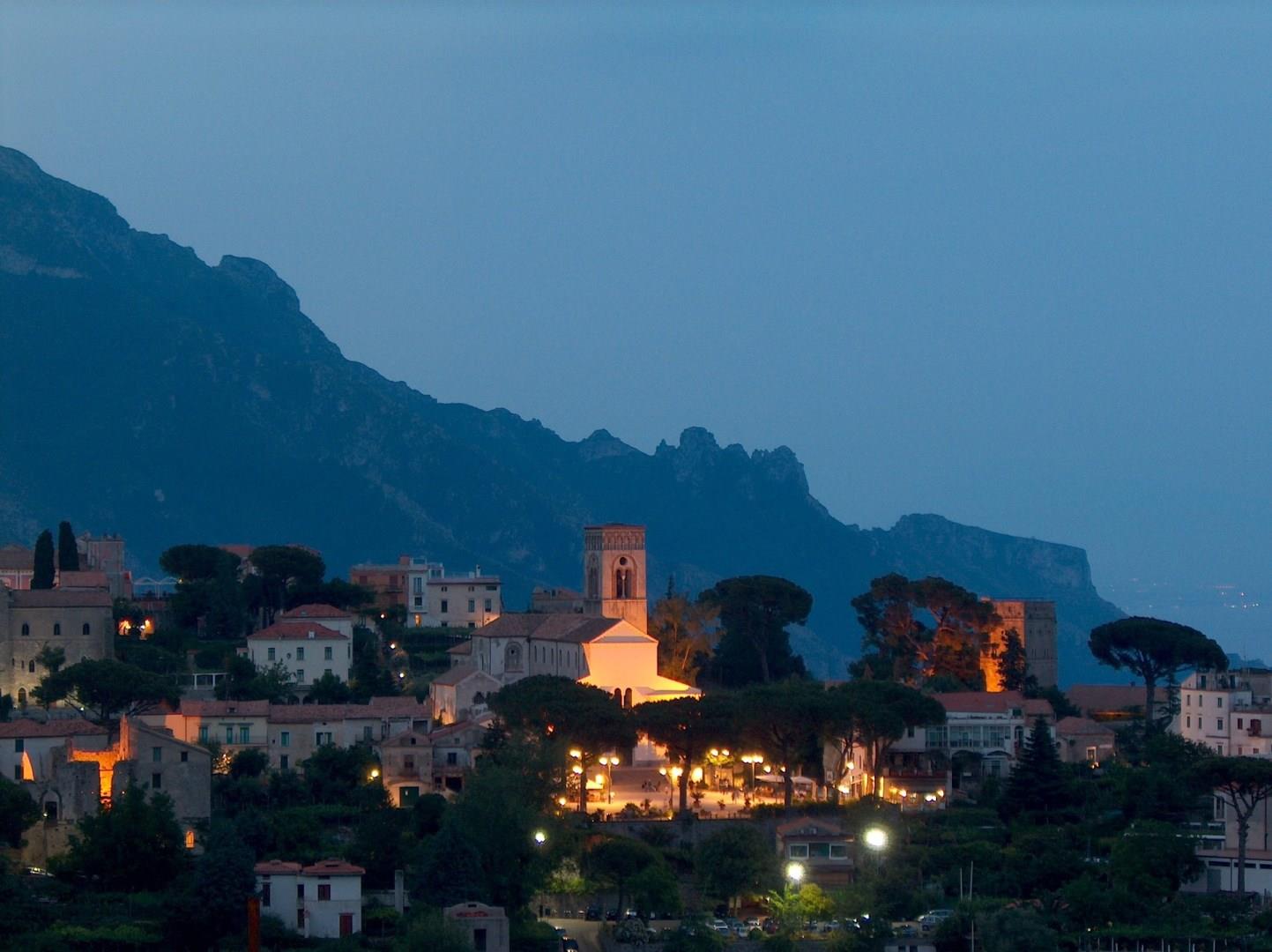
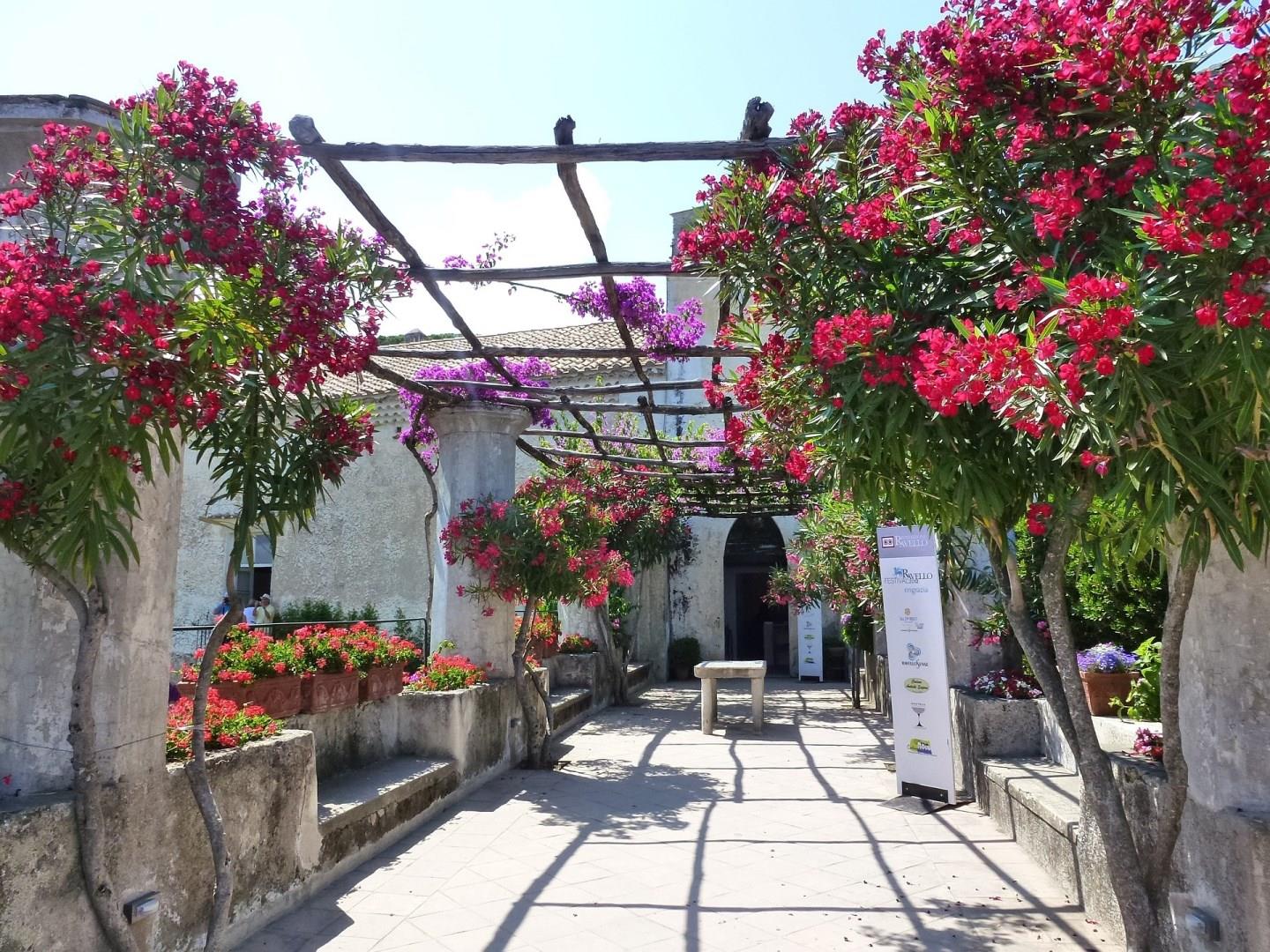
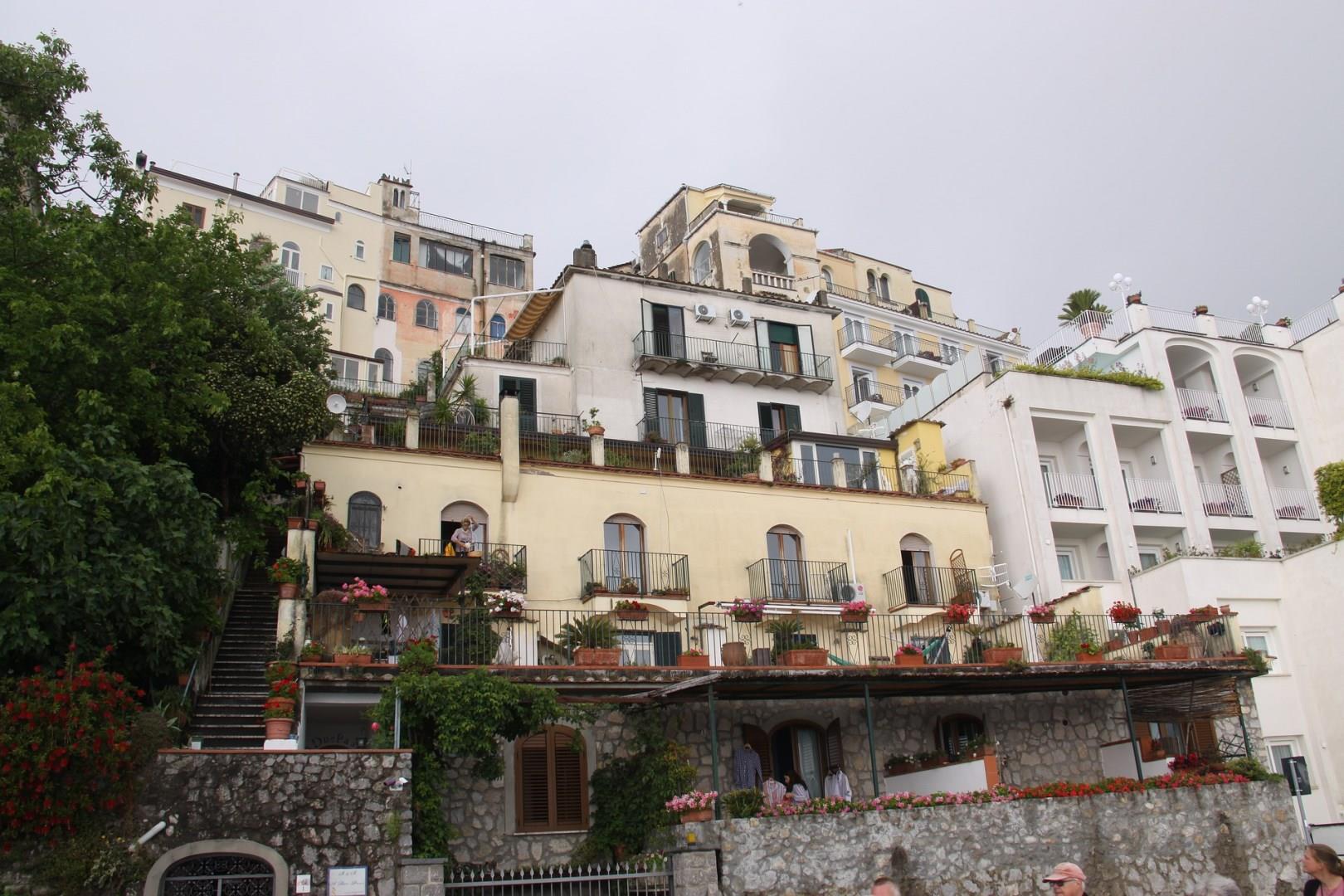
Dominica, known as the “Nature Island of the Caribbean,” is a haven for eco-tourists and adventure seekers. Nestled between the French islands of Guadeloupe and Martinique, this lush island boasts a remarkable landscape of volcanic mountains, dense rainforests, and stunning waterfalls. Dominica’s most iconic natural wonder is the Boiling Lake, the second-largest hot spring in the world.

Castelmezzano
Nestled in the dramatic landscape of the Basilicata region in southern Italy, Castelmezzano is a hidden gem that captivates visitors with its stunning natural beauty and medieval charm. The town, perched on the edge of the Lucanian Dolomites, is renowned for its unique architecture, with houses clinging to the steep rock faces, creating a picturesque and almost otherworldly scene. The dramatic peaks surrounding the town offer breathtaking views and a range of outdoor activities.
Saltillo
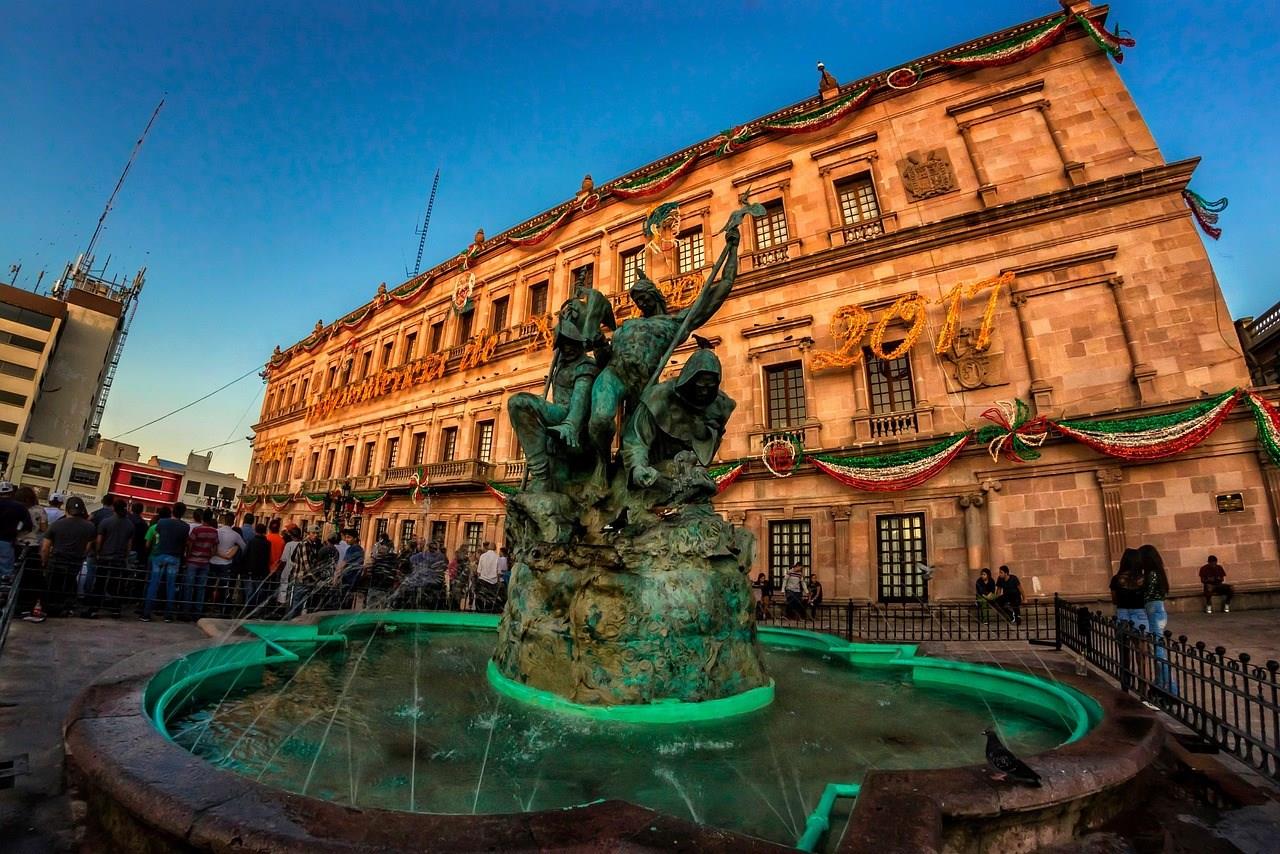
Saltillo, the capital of Coahuila, blends centuries of tradition with a quiet confidence that rewards travelers looking for something different. Founded in 1577, the city’s colonial heritage is on full display in its well-preserved downtown, where the Catedral de Santiago towers above Plaza de Armas. Just steps away, the Alameda Zaragoza park offers shaded paths and fountains, providing a peaceful break between stops at nearby museums.
Lausanne
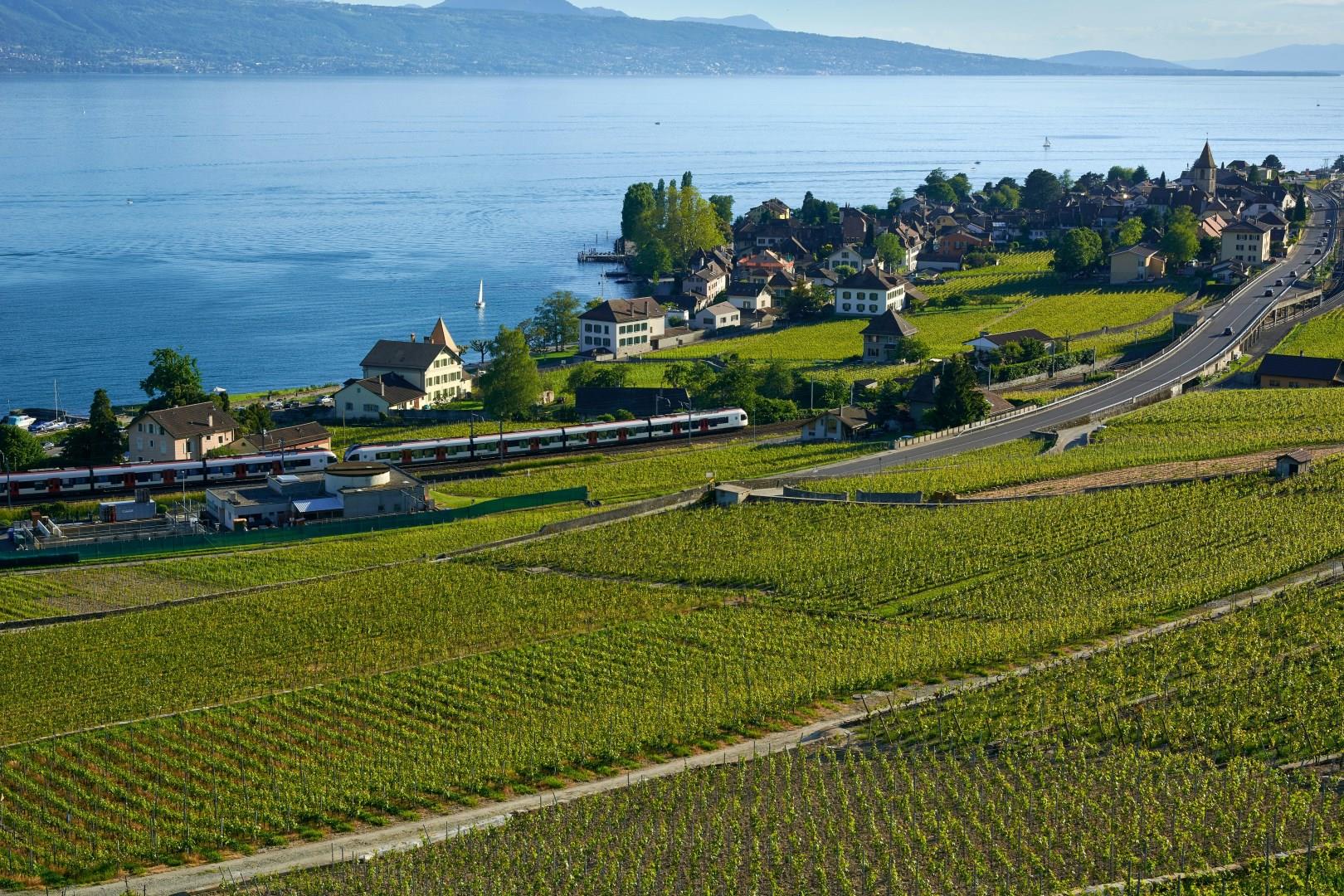
Perched on the northern shore of Lake Geneva, Lausanne is a city that blends centuries of history with a strong cultural identity. It served as a Roman military camp called Lousanna before evolving into a key medieval settlement. Today, visitors can still climb the tower of Lausanne Cathedral, widely regarded as the most impressive Gothic structure in Switzerland. From the top, the view stretches over the rooftops of the Old Town to the vineyards of Lavaux and across the lake to the French Alps.
Uzbekistan
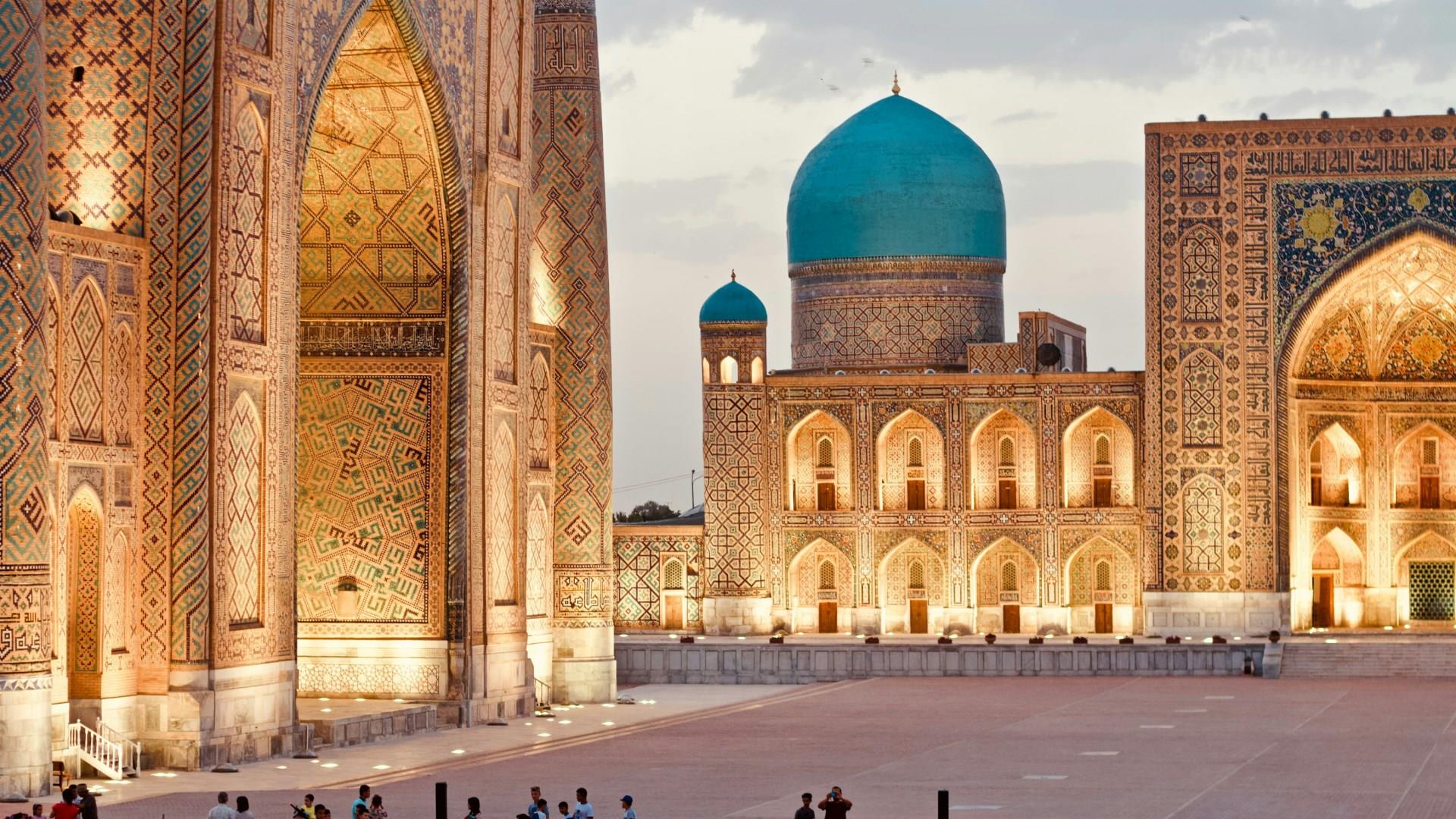
Uzbekistan lies at the heart of Central Asia and is renowned for its pivotal role along the ancient Silk Road. The country is home to some of the world’s most storied cities, where intricate Islamic architecture and centuries of trade have left a rich cultural legacy.