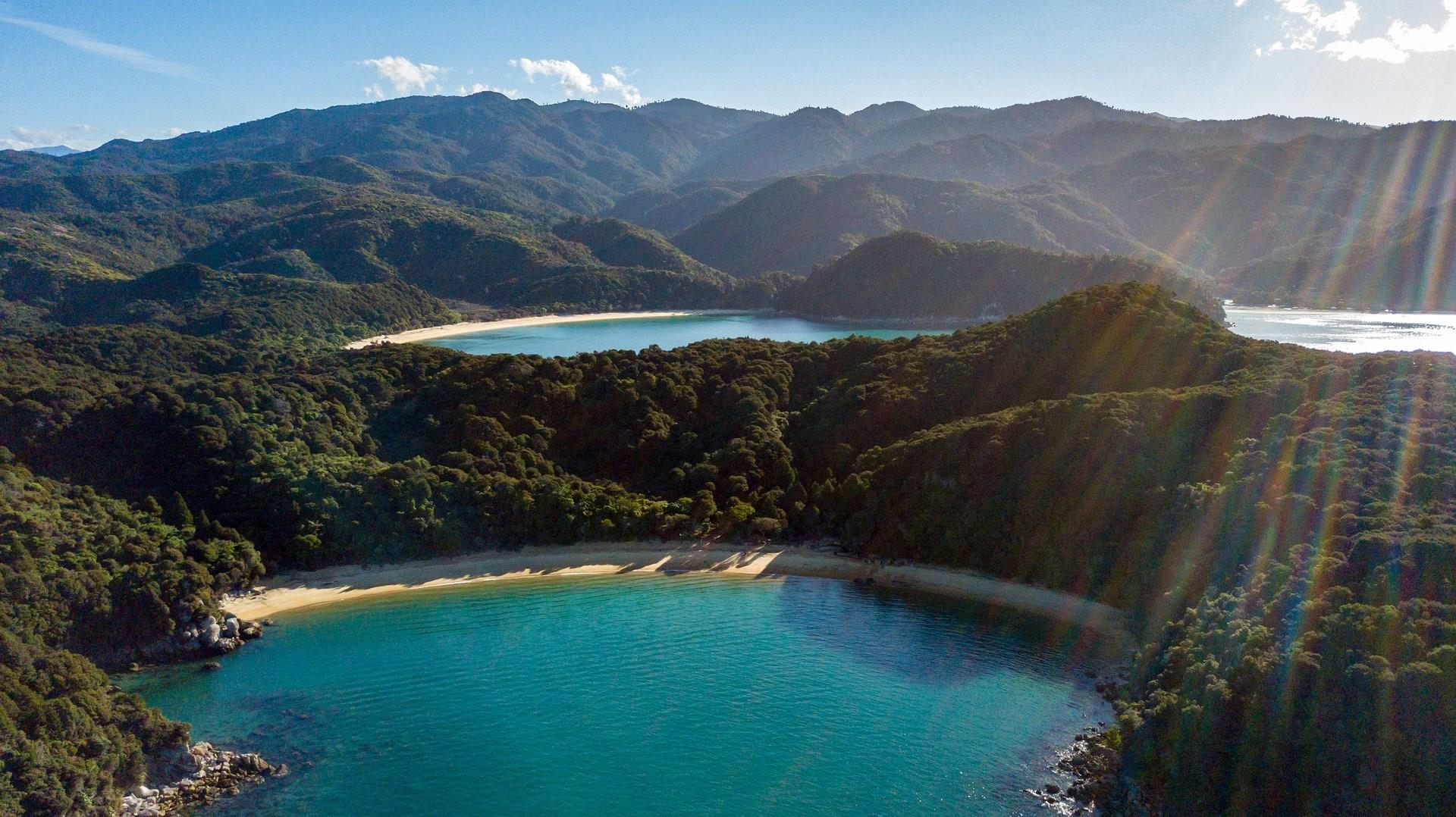
USA
Spanning from the Atlantic to the Pacific, its geography encompasses everything from mountain ranges and fertile plains to vibrant cities and quiet coastal towns. Each region tells its own story.
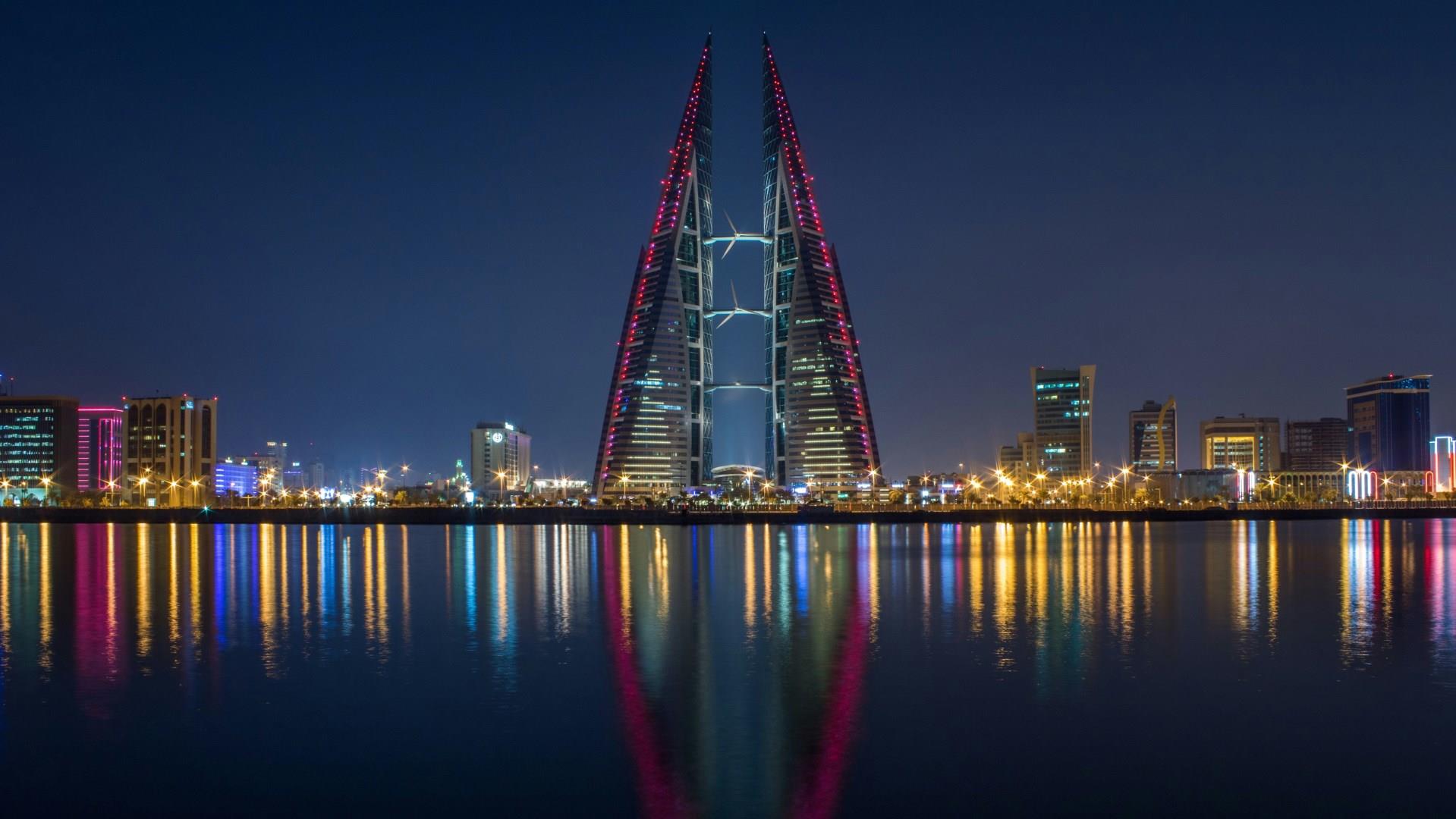
Manama
Manama pulses with stories from long ago and today. Just beyond the modern skyline lies Qal’at al‑Bahrain, a layered mound once the capital of Dilmun, used by societies from the Kassites to the Portuguese. Visitors can climb its crumbling stairways and imagine life across centuries there. Nearby, the Bahrain National Museum, opened in 1988 in a stately waterside building, displays archaeological finds from ancient Dilmun to modern-day artifacts and is one of the Gulf's first modern museums.

Riviera Maya
Riviera Maya is a stunning stretch of coastline on Mexico's Yucatán Peninsula. With spectacular destinations like Puerto Morelos, Playa del Carmen, and Tulum, the Riviera Maya coast is popular for its all-inclusive resorts.
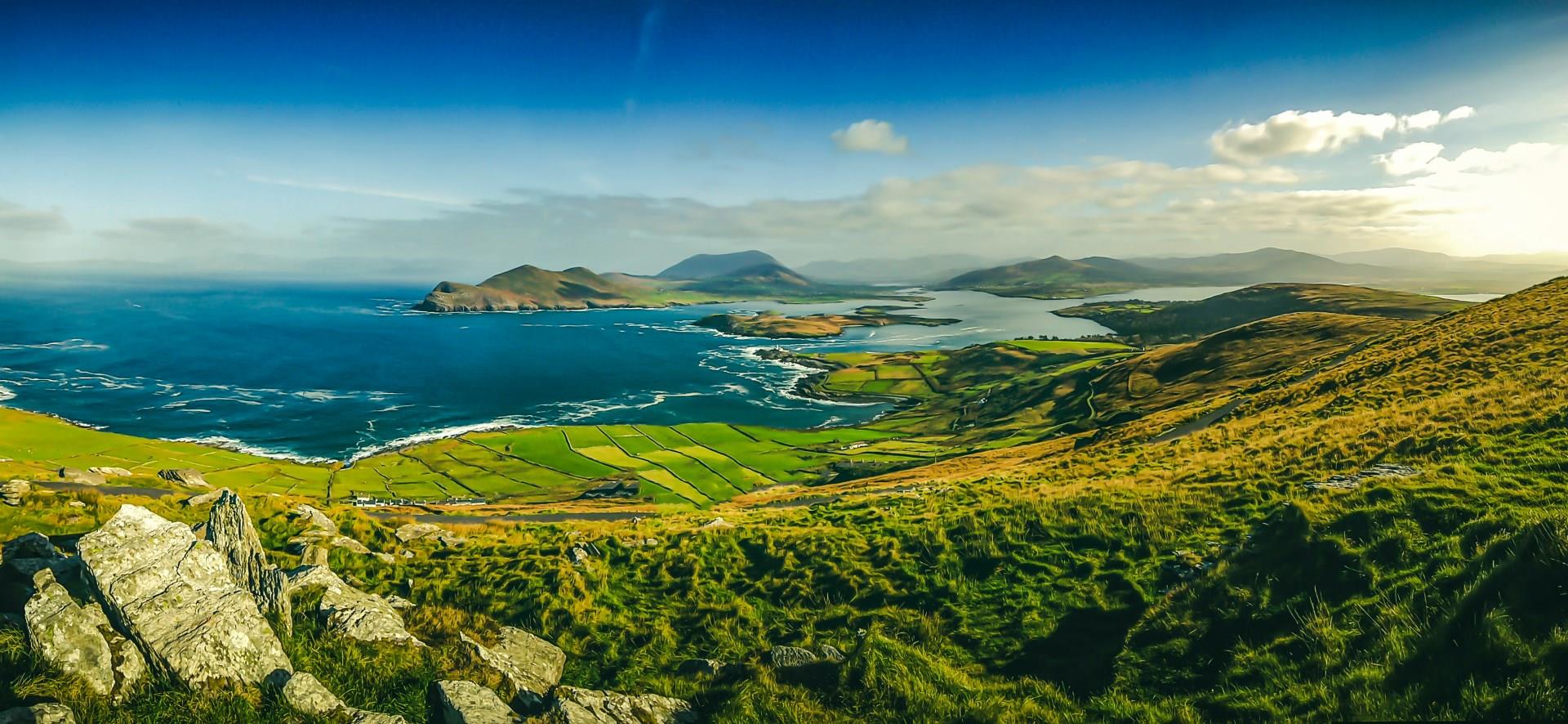
Kerry County
County Kerry, located in Ireland’s southwest corner, is a landscape of dramatic contrasts, where rugged mountains meet serene lakes and Atlantic waves crash against wild peninsulas. Known as “The Kingdom,” Kerry holds deep cultural and historical significance, with ancient ring forts, medieval monasteries, and Gaelic traditions that endure in everyday life.
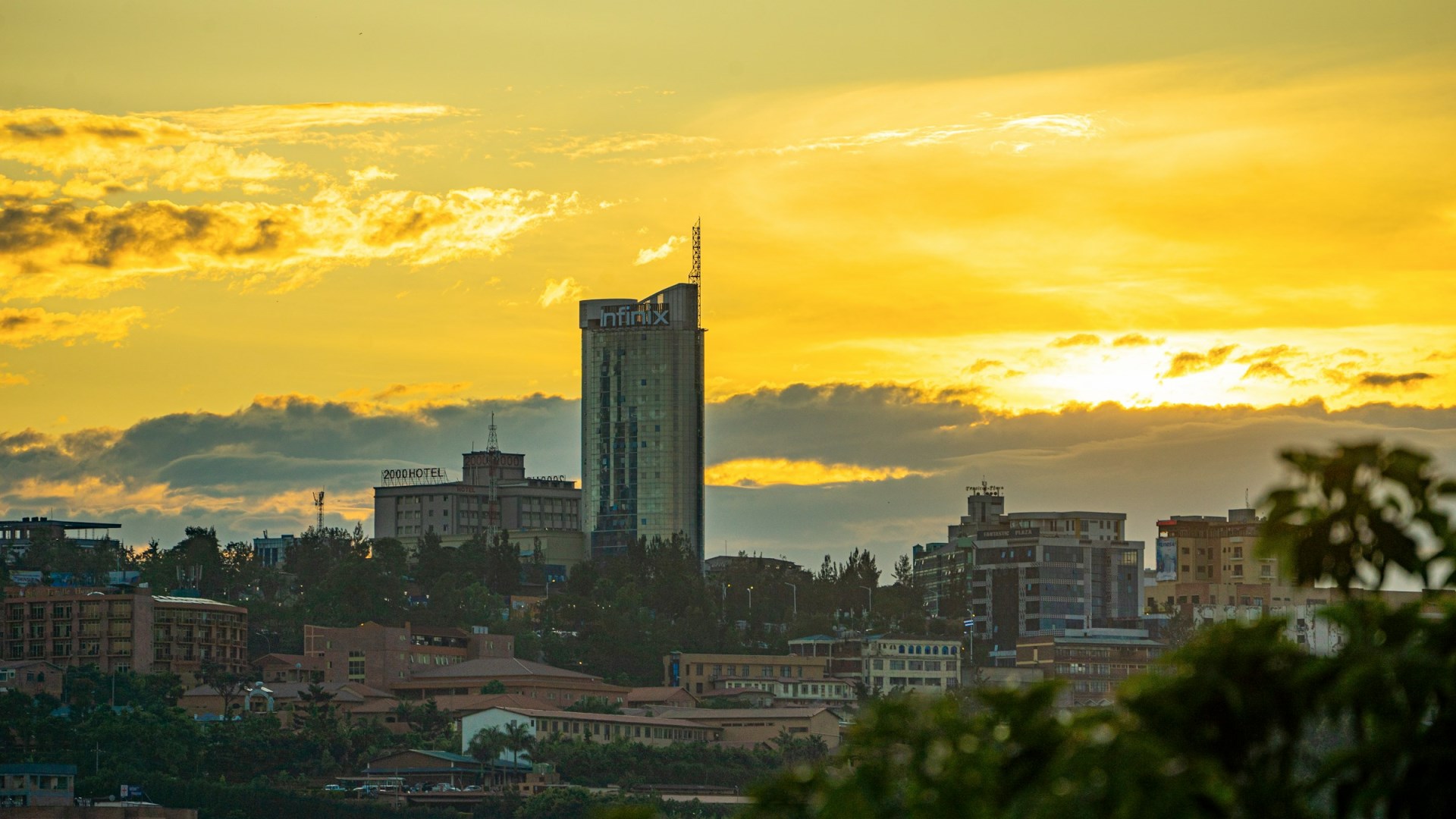
Kigali
Kigali, the capital of Rwanda, is a city that blends modern energy with deep cultural roots. Set among rolling hills, it offers striking views at nearly every turn.