Pamplona
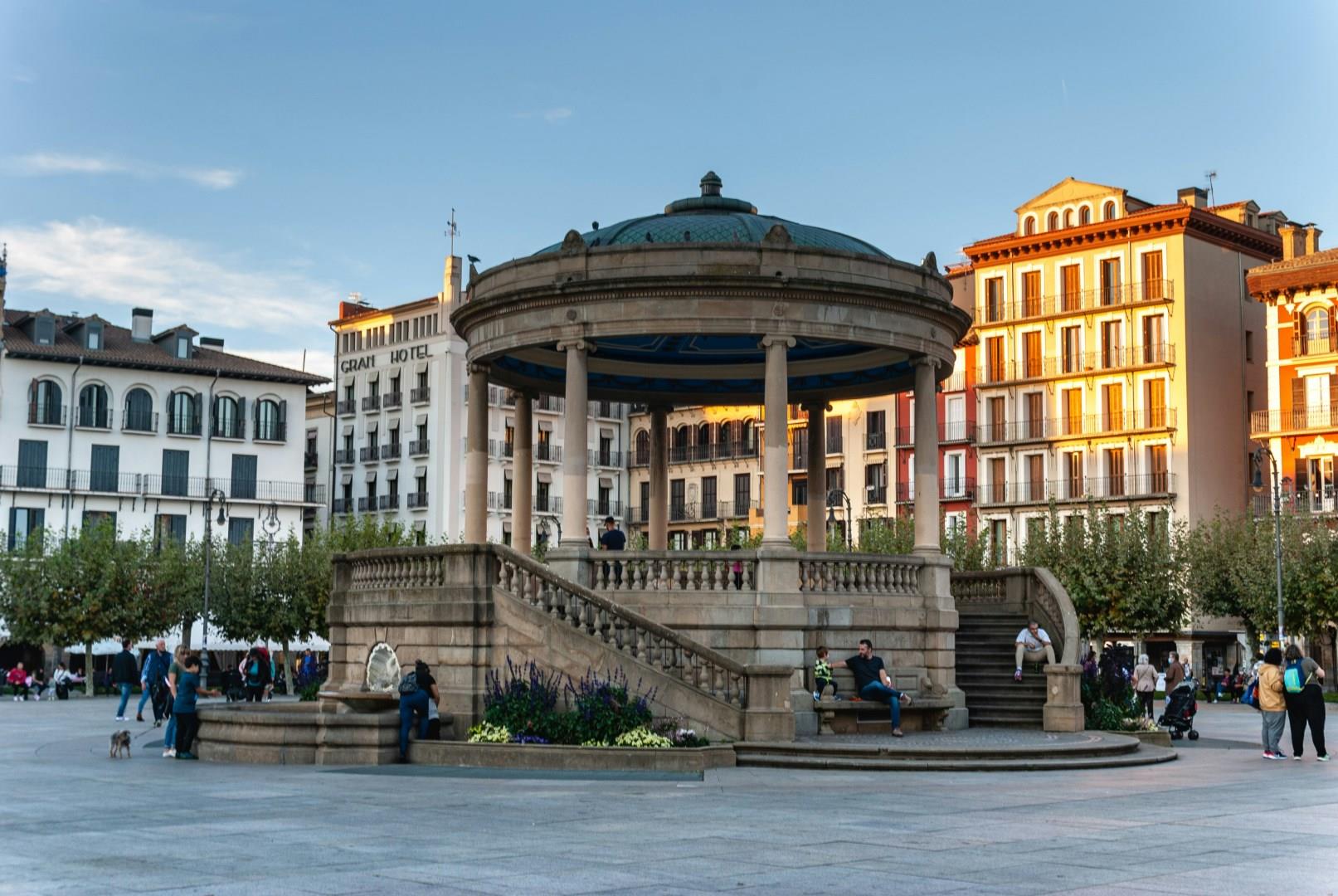
Pamplona, the capital of Spain’s Navarre region, is best known worldwide for the Running of the Bulls during the San Fermín festival each July. But beyond the brief rush of that event lies a city steeped in medieval history, Basque influence, and a slower pace that surprises many visitors. One of the most significant aspects of Pamplona is its place on the Camino de Santiago, the ancient pilgrimage route to Santiago de Compostela.

Andasibe-Mantadia National Park
Andasibe-Mantadia National Park, located in the eastern highlands of Madagascar, offers a captivating journey into one of the world’s most unique rainforests. Famous for its rich biodiversity, this national park is home to the largest species of lemur, the indri, whose haunting calls echo through the dense canopy. Visitors to the park can explore lush tropical landscapes filled with rare plants, birds, and other endemic wildlife, making it a must-visit for nature lovers and adventurers alike.
St. Moritz
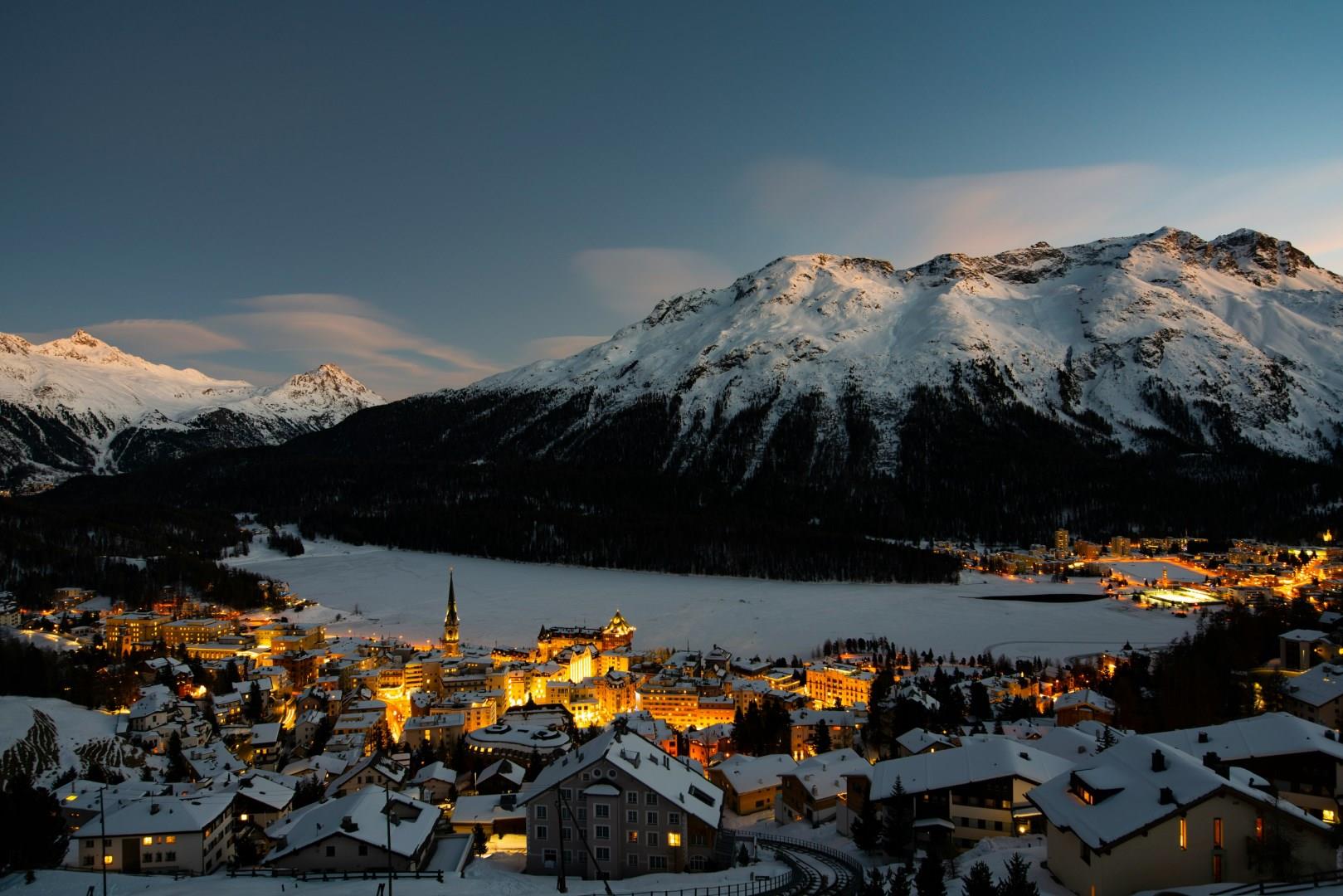
St. Moritz, located in Switzerland’s Engadin Valley, has been attracting visitors for over 150 years, long before the term "alpine resort" became common. It was here in 1864 that winter tourism was born, when a hotelier made a wager with British guests that they would enjoy the snow just as much as the summer sun. They returned, and the rest is history. The town has since hosted the Winter Olympics twice (in 1928 and 1948) and remains a favorite for skiing, snowboarding, and ice sports.

Montréal
Montréal is a city shaped by layers of French and British history, with modern flair built into every corner. Founded in 1642 as Ville-Marie, it’s one of the oldest cities in North America. Visitors walking through Old Montréal will find cobblestone streets, 18th-century buildings, and landmarks like the Notre-Dame Basilica, known for its deep blue interior and grand organ with over 7,000 pipes.

Ol Doinyo Lenga
Ol Doinyo Lengai, often called the "Mountain of God," is an active volcano located in northern Tanzania and is a must-visit for adventurous travelers. Towering over the Great Rift Valley, this majestic peak is unique due to its lava composition. Unlike most volcanoes that produce molten lava, Ol Doinyo Lengai emits natrocarbonatite lava, which is unusually cool and flows like water. This rare phenomenon makes it one of the most intriguing volcanic landscapes on Earth.