Stellenbosch
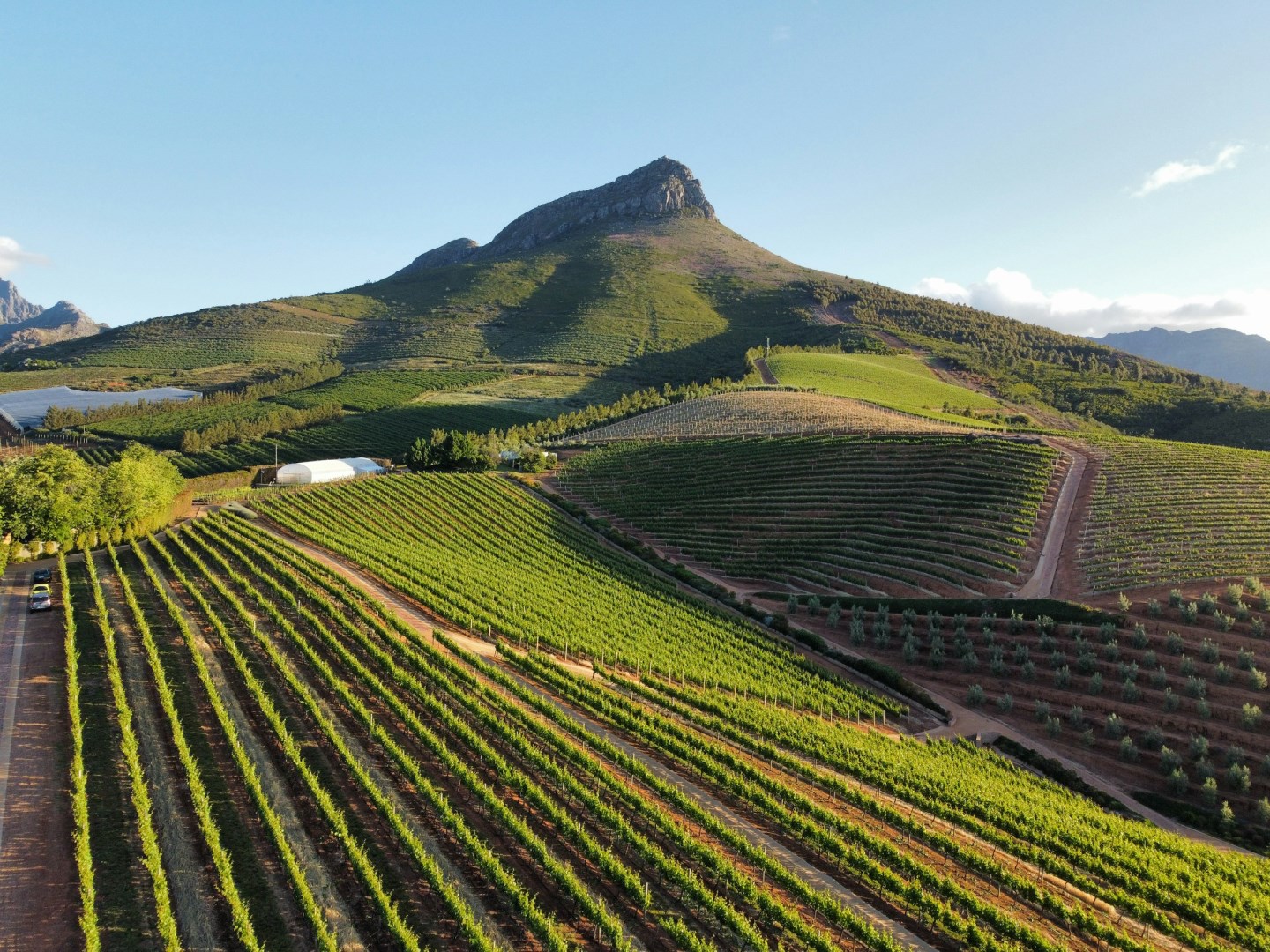
Stellenbosch, a charming town in South Africa’s Western Cape, is a haven for wine lovers and history enthusiasts alike. Established in 1679, Stellenbosch boasts well-preserved Cape Dutch architecture and a vibrant cultural scene. Its tree-lined streets are dotted with historical buildings, boutique shops, and artisanal cafes. A visit to the Stellenbosch Village Museum offers a glimpse into the town’s rich heritage, showcasing restored buildings from the 18th and 19th centuries.

Kimberley
Whether trekking through rugged landscapes, cruising through river gorges, or learning about one of the world’s oldest cultures, the Kimberley offers a truly unique experience. It's a destination unlike any other, where nature and history come together in one of Australia’s most extraordinary regions.
Guinea
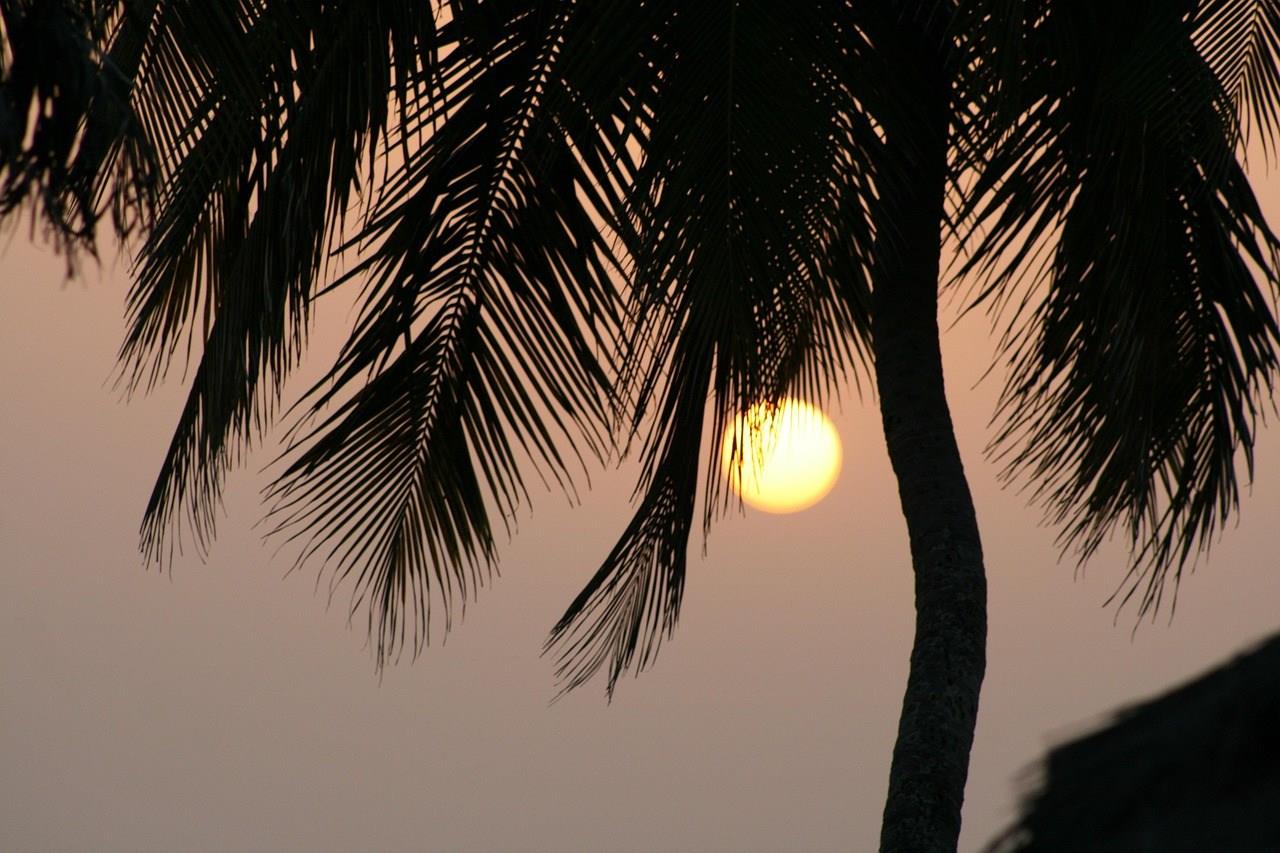
Guinea, located on the west coast of Africa, offers a rich blend of landscapes, cultures, and traditions that remain largely untouched by mass tourism. Its Atlantic shoreline is dotted with fishing villages and sandy beaches, while inland, rolling highlands and dense rainforests give way to sweeping savannas.

Taranto
Taranto is a city on the coast of the Ionian Sea in Southern Italy. It is situated between the bodies of water named Mar Piccolo and Mar Grande.

Goa
Goa, the sun-soaked paradise on India's western coast, is a destination where history, culture, and natural beauty converge in a spectacular way. Known for its golden beaches and vibrant nightlife, Goa is also rich in heritage, reflecting its unique blend of Indian and Portuguese influences. The old quarters of Panaji and Margao are dotted with charming colonial-era buildings, quaint churches, and lively markets that beckon travelers to explore the region’s storied past.