Doha presents a journey where heritage and modern design intersect gracefully. The Museum of Islamic Art, designed by I. M. Pei, rises from the Corniche and houses ceramics, textiles, manuscripts, and metalwork spanning fourteen centuries. Nearby, the National Museum of Qatar, shaped like a desert rose, narrates the country's story through immersive exhibits and architecture by Jean Nouvel. These institutions offer perspectives on both art and national identity.
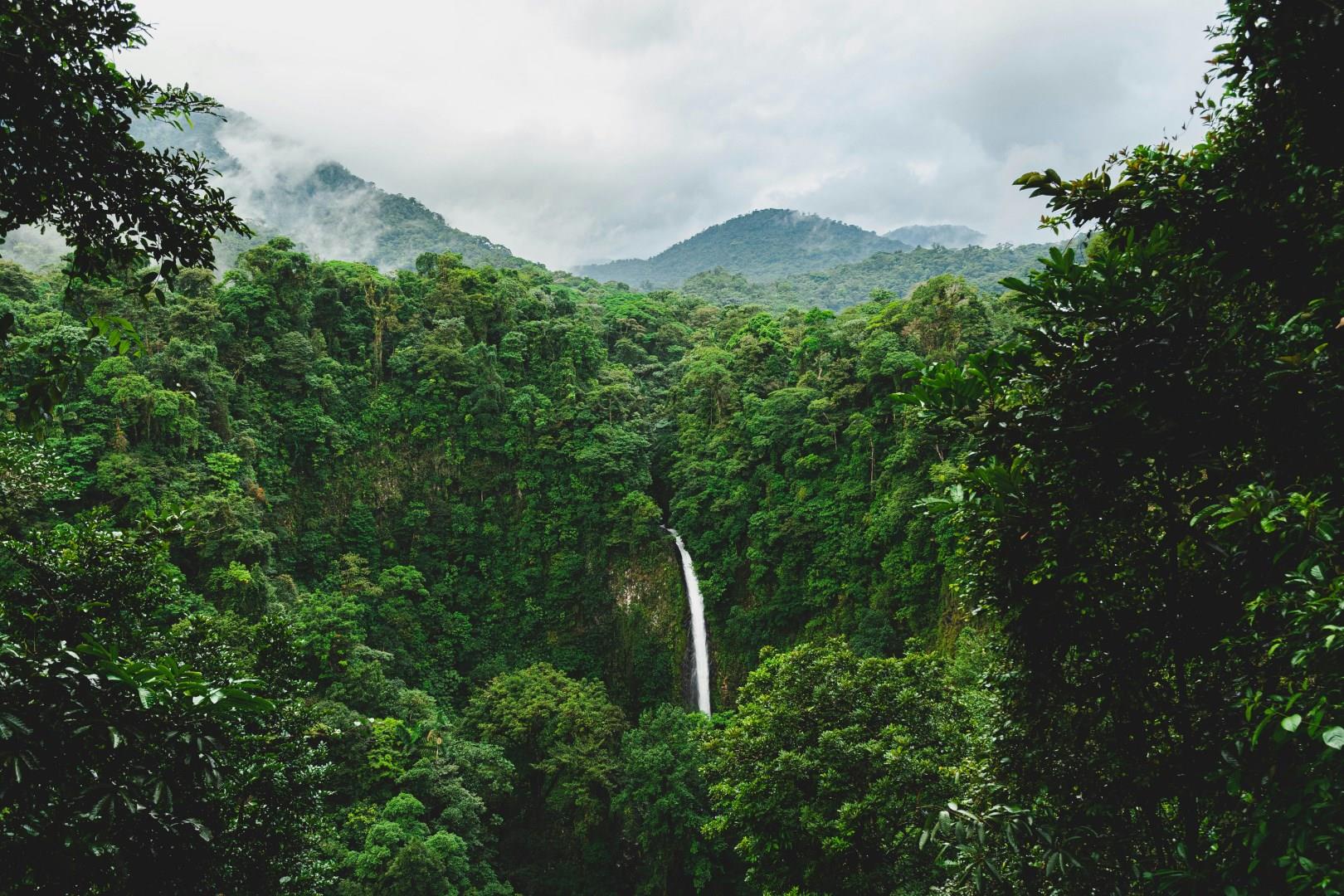
Nestled in the lush region of northern Costa Rica, Arenal is a destination that promises adventure, relaxation, and breathtaking natural beauty. Dominated by the imposing Arenal Volcano, one of the most active volcanoes in the world until recently, this area is a paradise for nature lovers and thrill-seekers alike.
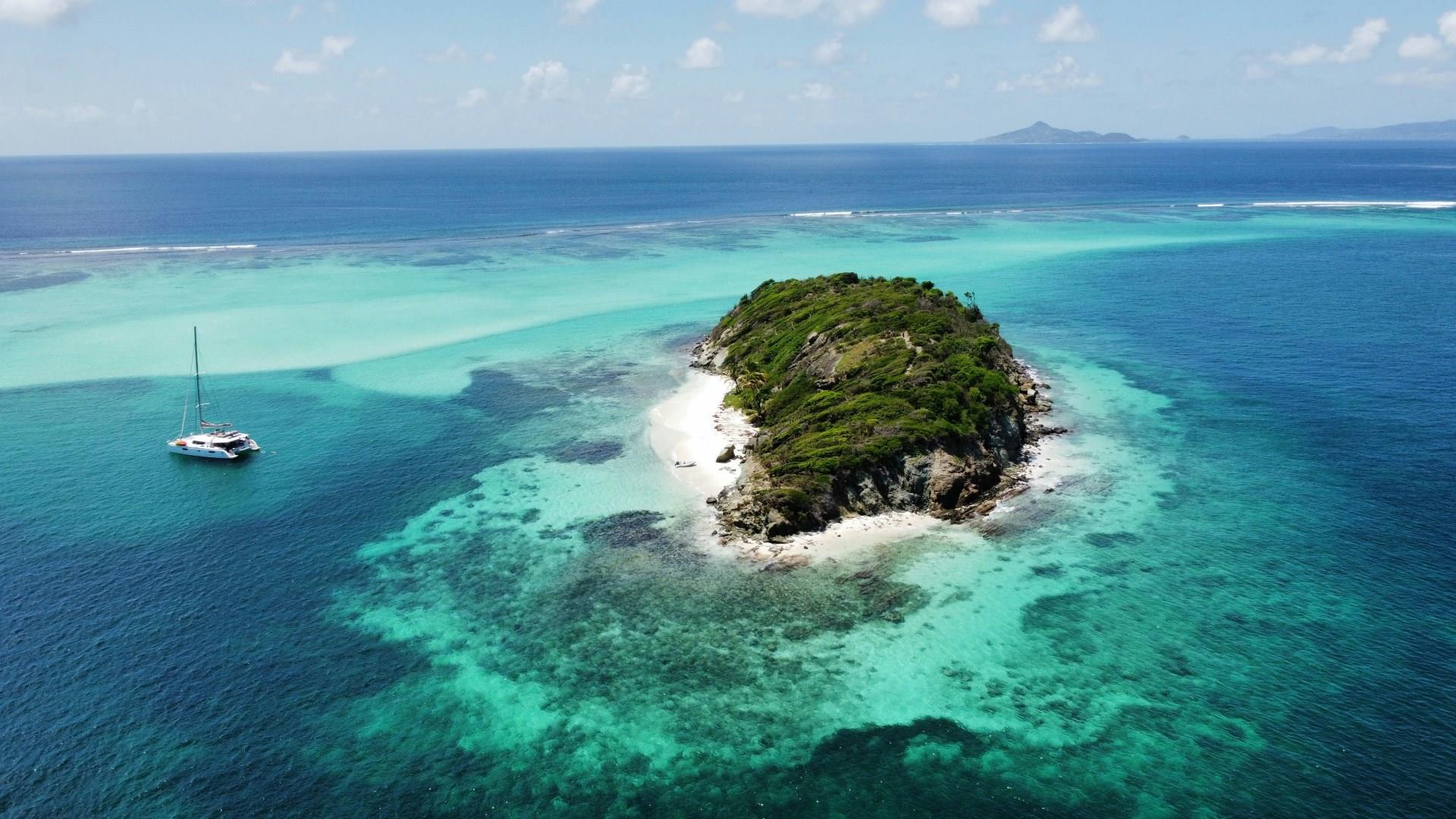
The Tobago Cays are a small cluster of uninhabited islands and reefs in the Southern Grenadines, known for their crystalline waters, coral formations, and vibrant marine life.
Ullapool is a village in the Scottish Highlands about 65 miles north-west of Inverness. Ullapool is known for the progressive, ecologically sound practices of its inhabitants and is the center for the Highland Environment Centre; a project of the Highland Eco Trust.
Caye Caulker lies off the coast of Belize, a small island that was once a quiet fishing village and today still feels wonderfully uncrowded compared to many Caribbean destinations. Its name likely comes from an English twist on “Hicaco,” the old Spanish name meaning coco plum, a nod to the island’s early days and bilingual roots.
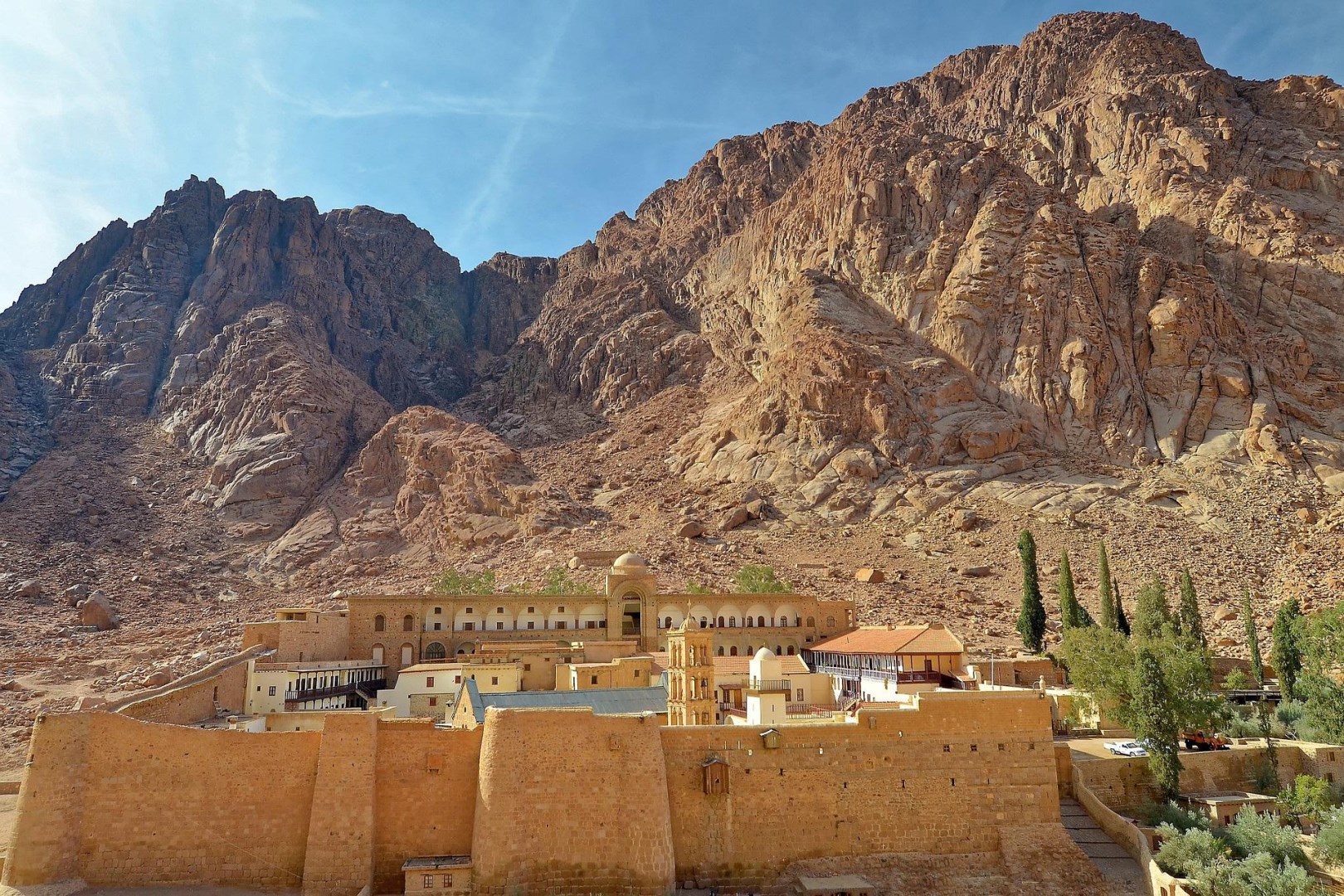
St. Catherine's Monastery, nestled at the foot of Mount Sinai in Egypt, is a beacon of historical and spiritual significance. Founded in the 6th century by Emperor Justinian, this ancient monastery is one of the world's oldest continuously operating Christian monasteries and is a UNESCO World Heritage Site. It houses a remarkable collection of early Christian manuscripts and icons, including the famous Codex Sinaiticus, one of the earliest complete manuscripts of the Bible. Visitors can explore its well-preserved Byzantine architecture, including the stunning Church of the Transfiguration, which holds a rich history in its walls.
The monastery’s location adds to its allure, surrounded by the rugged, dramatic landscapes of the Sinai Peninsula. The ascent of Mount Sinai, traditionally associated with the biblical account of Moses receiving the Ten Commandments, offers breathtaking views and a profound sense of connection to ancient spiritual traditions. The trek is particularly rewarding at sunrise or sunset, when the desert's colors transform into an awe-inspiring display of nature's palette.
Beyond its religious and historical treasures, the monastery's collection of ancient icons and manuscripts is a treasure trove for scholars and art enthusiasts alike. The Icon Gallery features works of art that span over a millennium, reflecting the rich cultural and religious tapestry of the region.
For the best experience, visit during the cooler months from October to April. This period offers a more comfortable climate for hiking and exploring, and allows you to fully appreciate the serene and spiritual ambiance of this historical sanctuary.
Fun Fact: The monastery’s library, which houses one of the world's oldest surviving Christian manuscripts, is considered one of the most important libraries of early Christian texts and is renowned for its collection of over 3,300 manuscripts