
Karatu
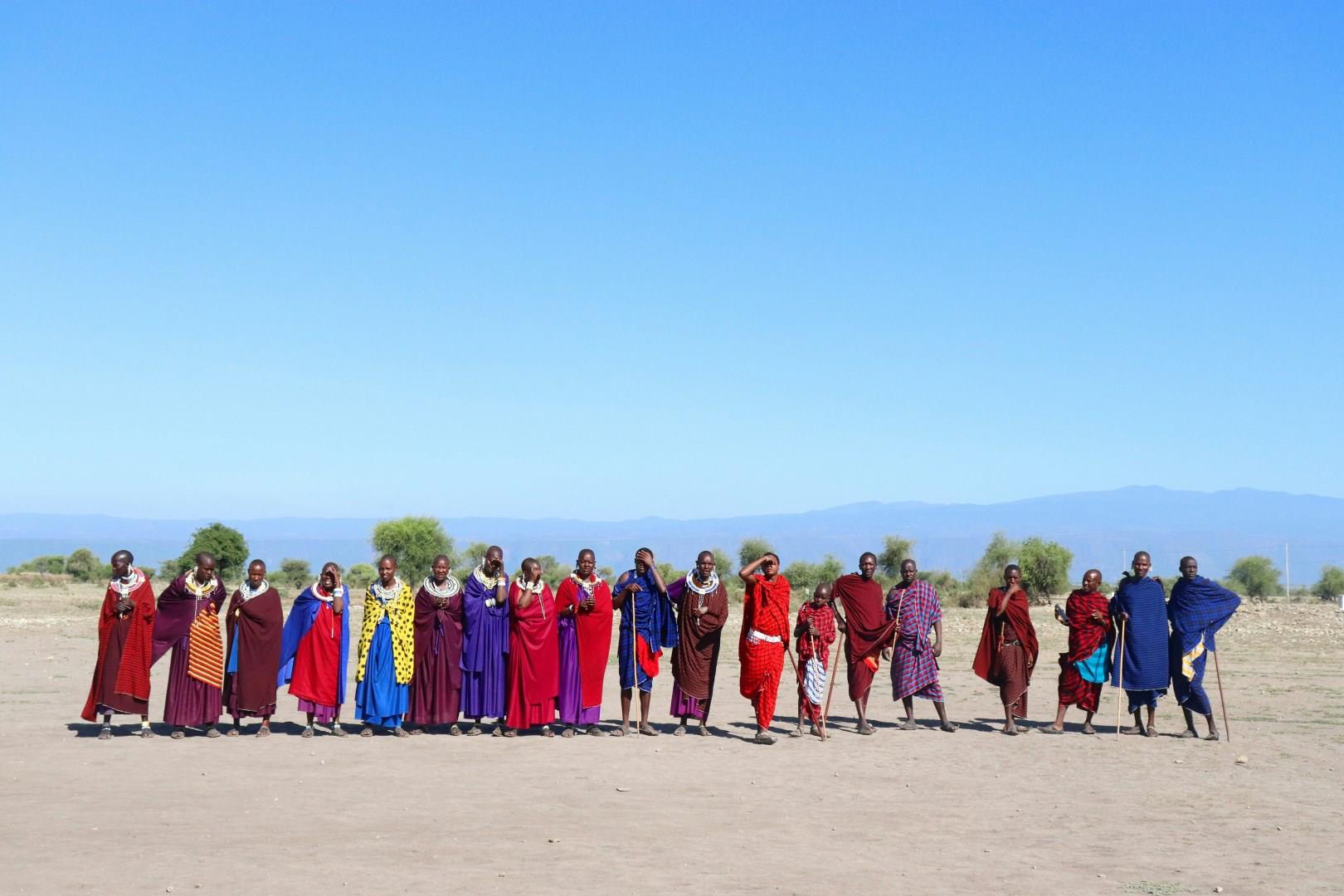
Karatu, located in northern Tanzania between Lake Manyara and the Ngorongoro Crater, is more than just a stopover for safari-goers. This highland town, surrounded by rolling farmland and volcanic hills, offers travelers a closer look at daily life in the region. The area is home to the Iraqw people, known for their terraced farming, traditional homesteads, and unique language unrelated to most other East African tongues.
Nazca
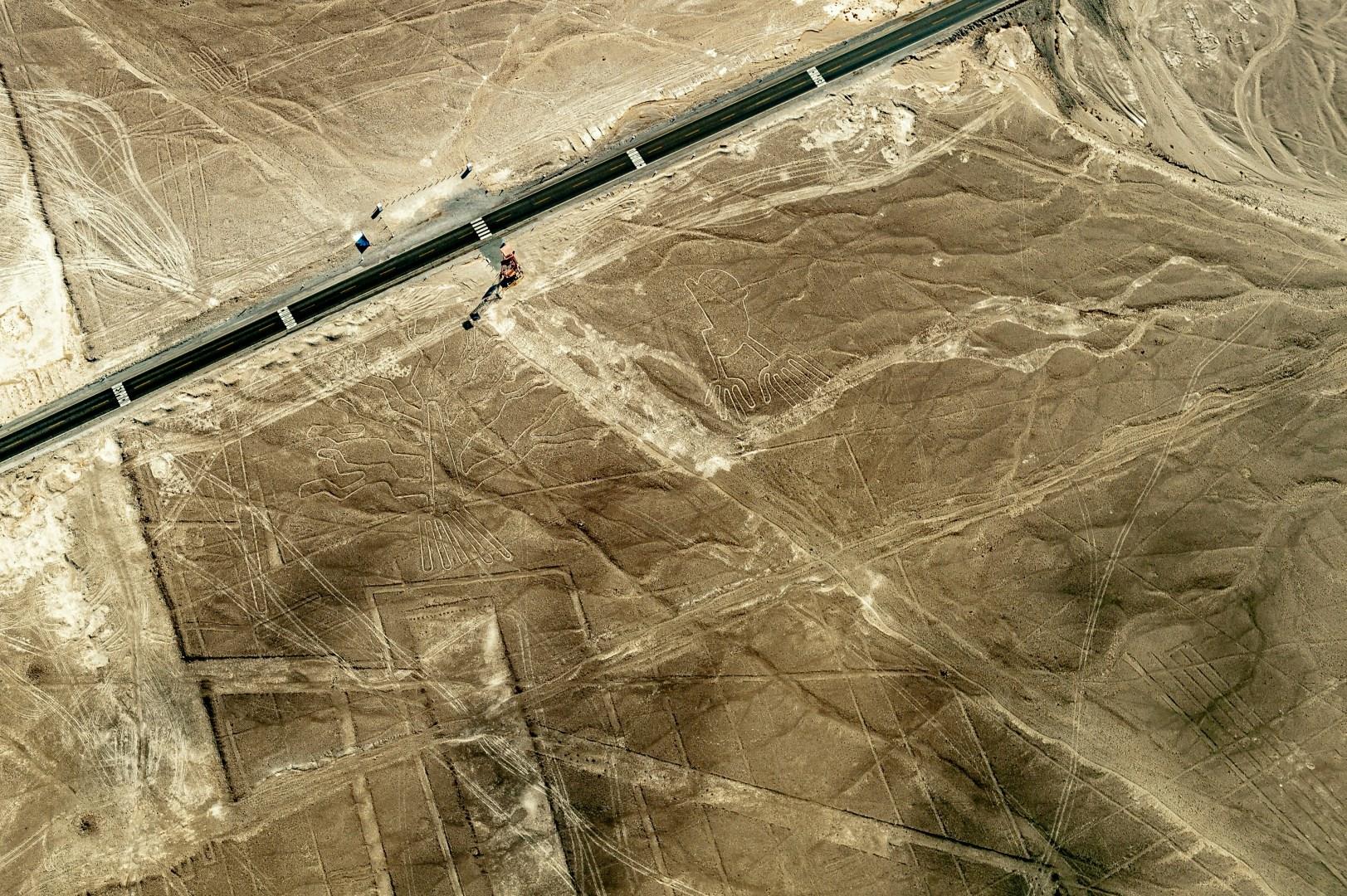
In the southern deserts of Peru, Nazca invites visitors to look beyond the horizon. This small city is world-famous for the mysterious Nazca Lines, enormous geoglyphs etched into the desert floor more than 1,500 years ago. From the air, shapes like hummingbirds, monkeys, and even a stylized astronaut come into view, some stretching over 300 meters. Their exact purpose remains a mystery, fueling decades of theories.
Georgetown
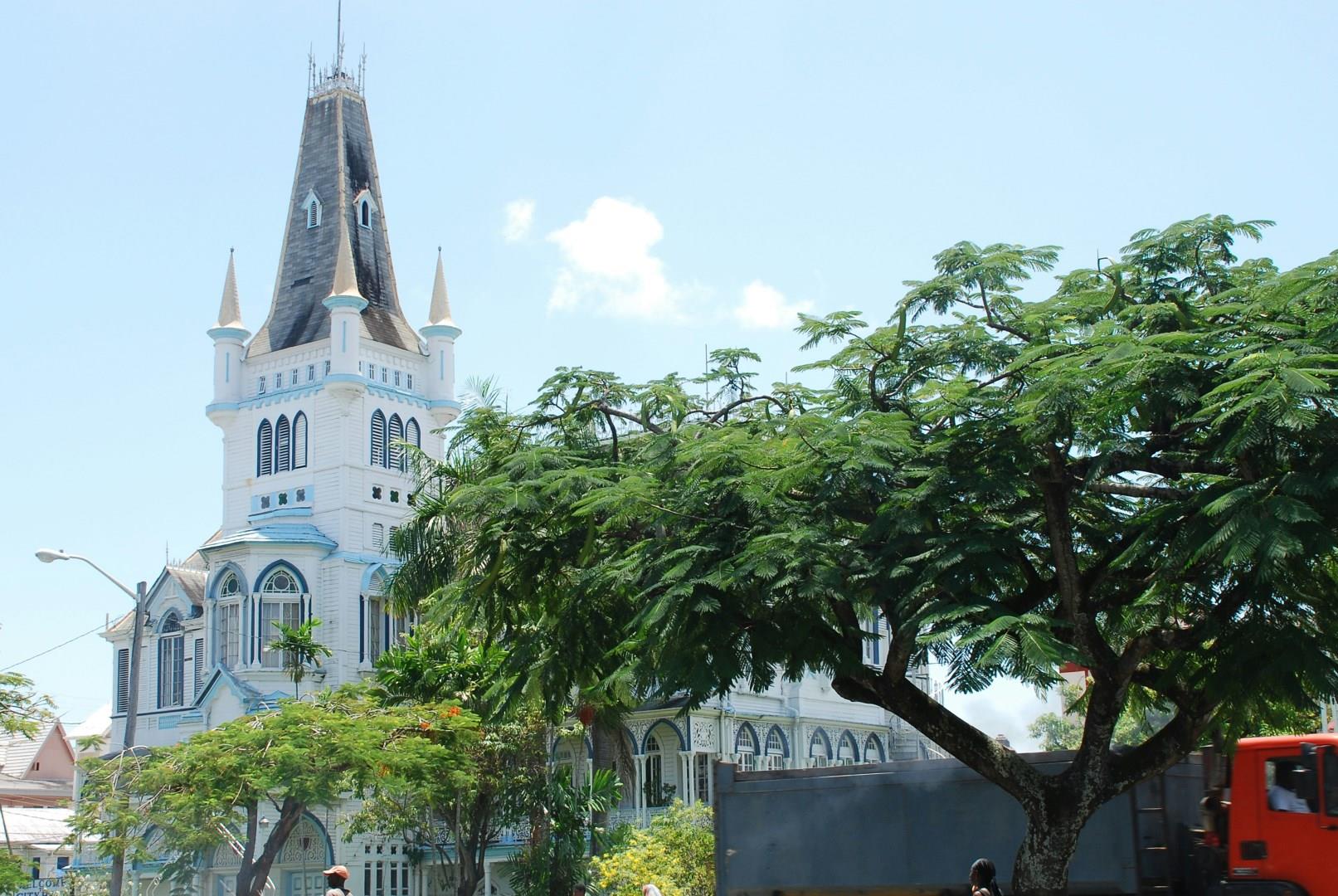
Georgetown, Guyana’s capital, is a city of wooden cathedrals, tree-lined canals, and street corners alive with music, food, and political discussion. Located at the mouth of the Demerara River, the streets still follow the Dutch grid system, and the city’s architectural signature, with its elegant wooden buildings with louvered shutters and fretwork, make it one of the most visually distinct capitals in South America.
Villahermosa
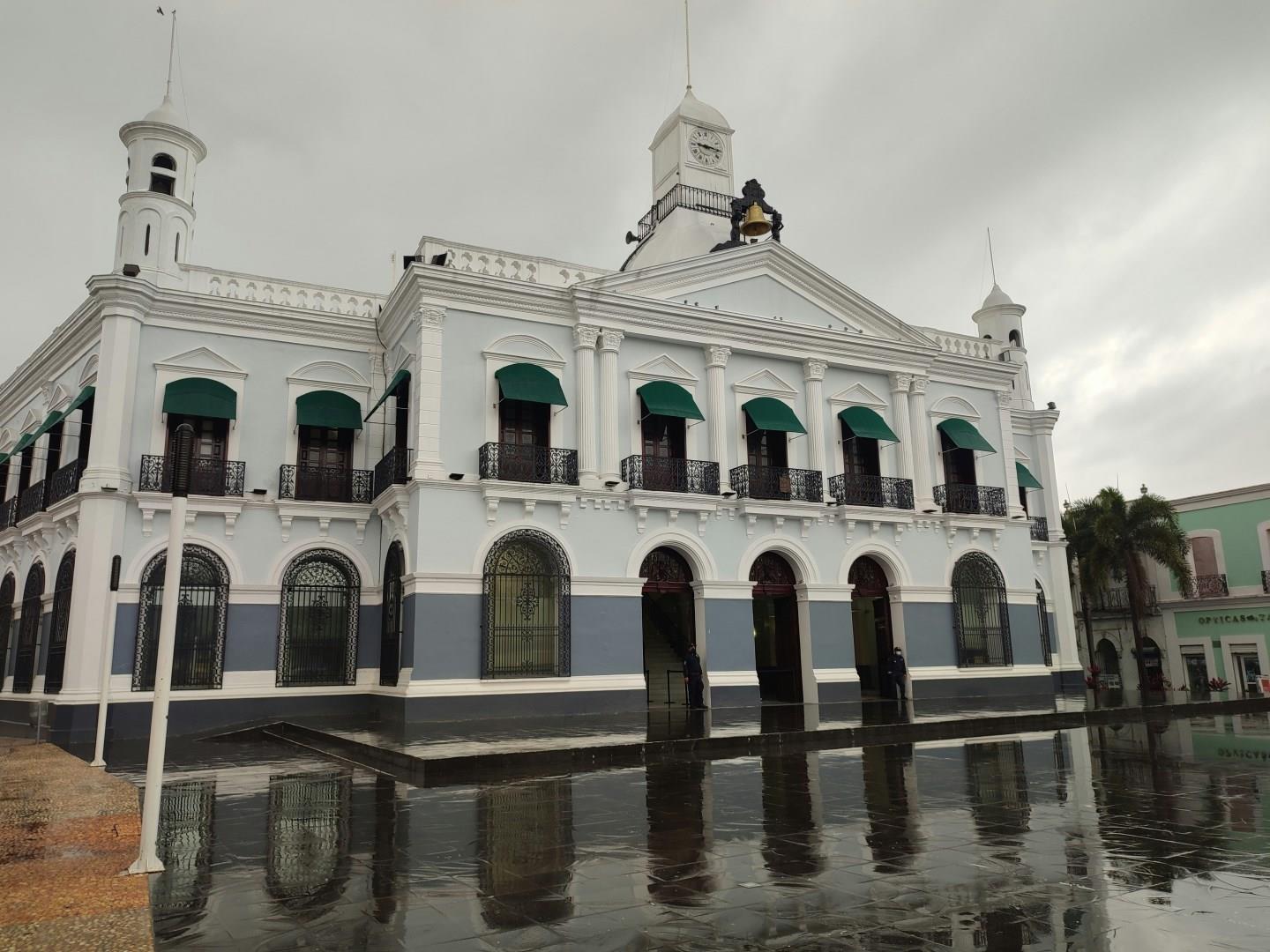
Villahermosa, the capital of Tabasco, is a city where ancient civilizations, tropical landscapes, and modern life intersect. Known as the “gateway to the Mayan world,” the city sits on the banks of the Grijalva River and serves as a cultural hub for southeastern Mexico. One of its most unique attractions is Parque-Museo La Venta, an open-air museum that blends archaeology with a jungle setting.

Wrangell
Nestled at the confluence of the Stikine and Wrangell Rivers, Wrangell, Alaska, offers a unique blend of history, culture, and natural beauty. This charming city, with its rich Tlingit heritage and historic sites, is an ideal destination for those seeking an authentic Alaskan experience.


