
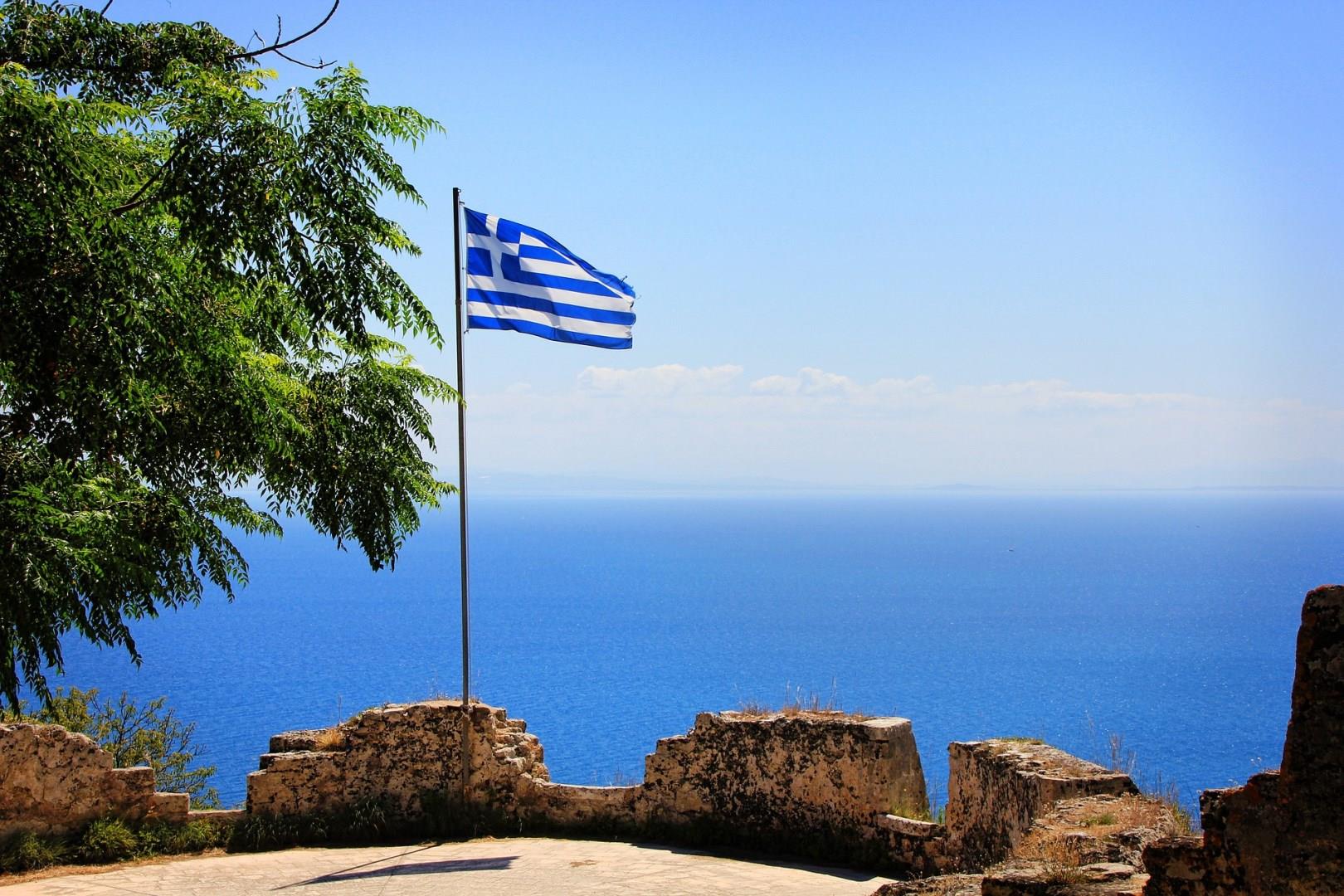
Greece
Greece is a country where layers of history sit side by side with everyday life. In Athens, visitors can stand at the foot of the Acropolis and look up at the Parthenon, built more than 2,400 years ago, then walk a few blocks to modern cafes buzzing with conversation and music. The city’s neighborhoods, like Plaka and Monastiraki, offer both ancient ruins and small family-run shops selling handmade sandals and olive oil soap.
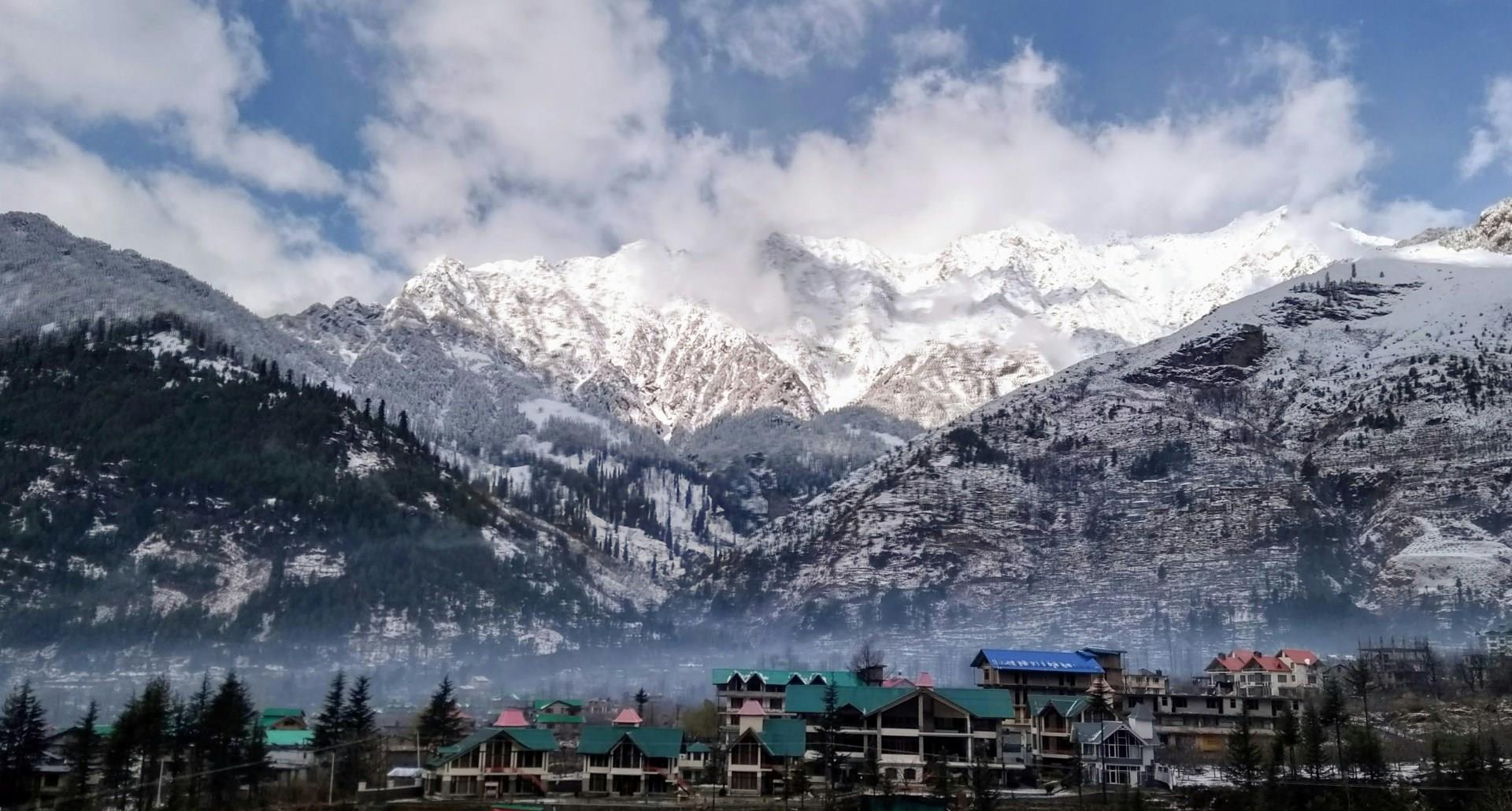
Manali
High in the Kullu Valley of Himachal Pradesh, Manali is where snow-dusted peaks, rushing rivers, and quiet cedar forests come together to create a destination full of experiences. The town sits beside the Beas River at nearly 2,000 meters above sea level, offering a refreshing escape from India’s plains. Legend says the name “Manali” comes from “Manu-Alaya,” meaning the home of sage Manu, who is believed to have repopulated the world after a great flood.
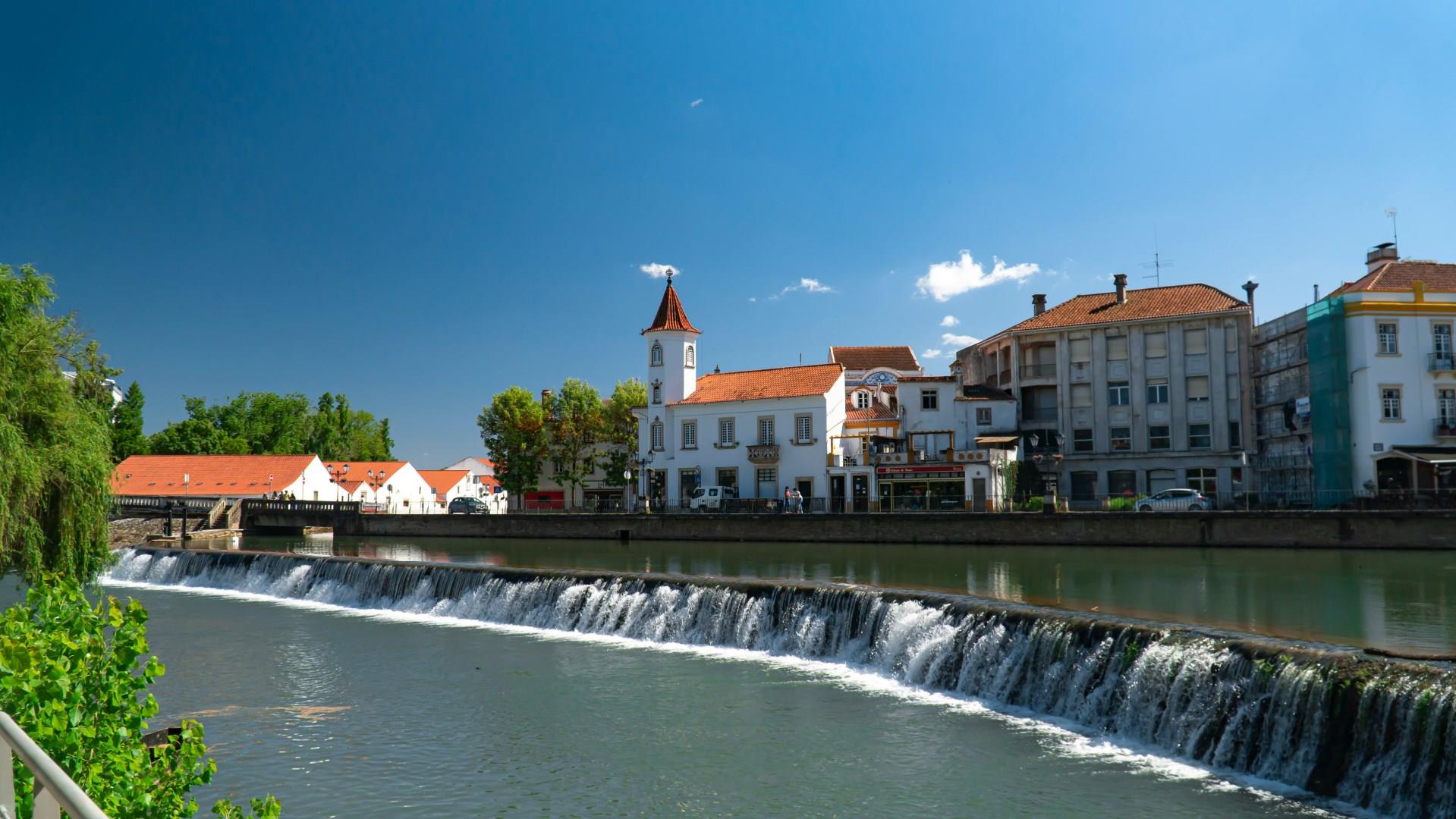
Tomar
Tomar sits on the Nabão River in central Portugal as a place where medieval history and everyday life meet in welcoming streets and grand monuments. Just outside the convent walls lies the Pegões Aqueduct, an impressive feat of engineering more than 6 kilometers long that once carried water from distant springs to the hilltop site. Some sections of its arches rise more than 30 meters above the valley floor, making it a striking backdrop for photos.
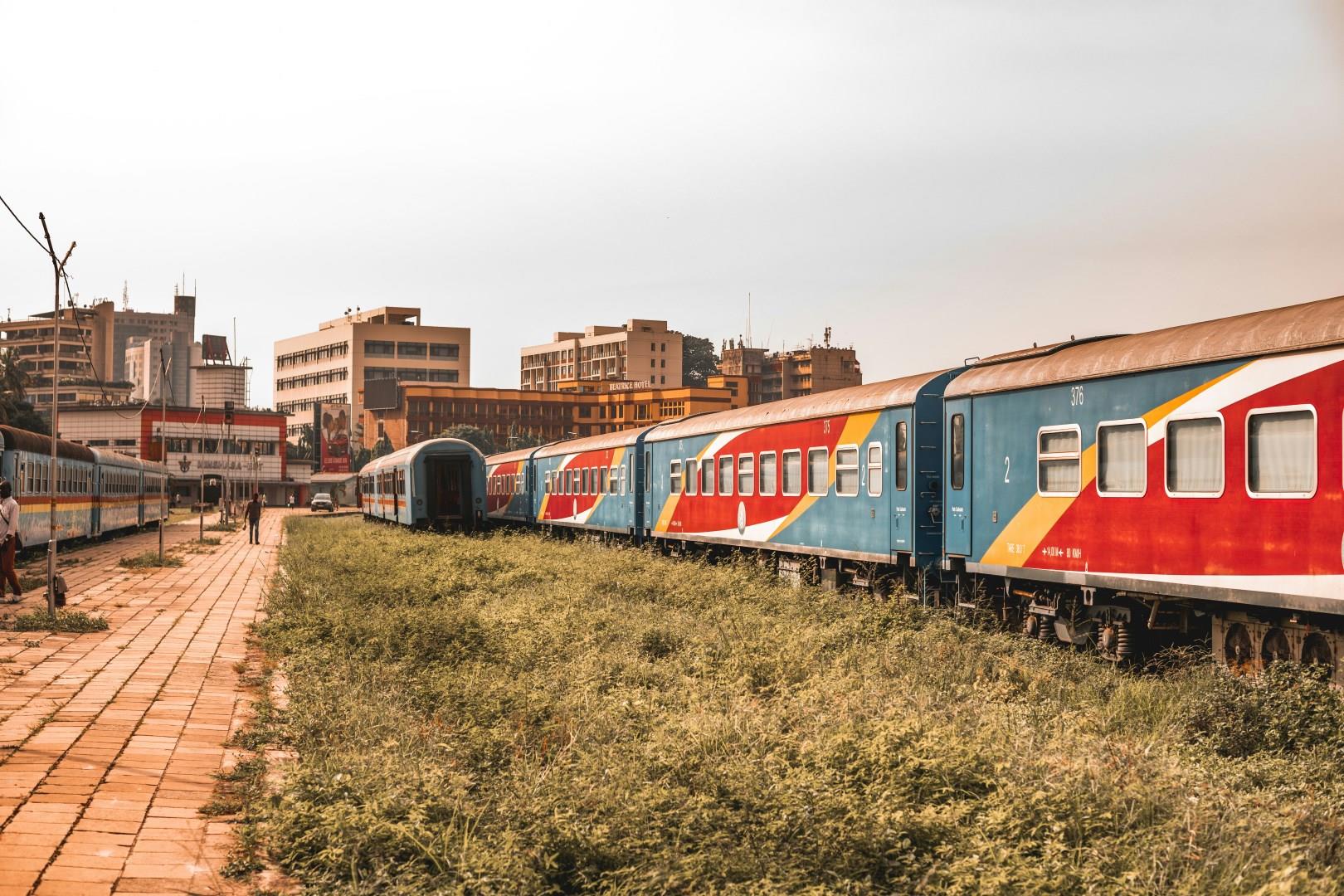
Kinshasa
Kinshasa, the capital of the Democratic Republic of the Congo, is one of Africa’s most vibrant and unpredictable cities. Sprawling along the banks of the Congo River, it’s the third-largest city on the continent and pulses with music, art, and personality at every turn. Across the river lies Brazzaville, making Kinshasa part of the only pair of national capitals facing each other across a single waterway.

Iron Gates
The Iron Gates, a dramatic gorge along the Danube River, is a spectacular natural wonder straddling the border between Romania and Serbia. This striking geological formation carves its way through the Carpathian Mountains, creating breathtaking views that captivate all who visit.


