Rabat, the capital of the kingdom of Morocco, is located on the edge of the Atlantic Ocean on the left bank of the Bou Regreg Estuary. A city of trees and flowers, Rabat combines peace, beauty and Serenity, and is steeped in history.
Amsterdam, the 17th century capital of Holland, is often called the "Venice of the North" due to its numerous, boat-navigable canals. Truly rich in history, the oldest part of this populous, multicultural city is Sloten, which dates all the way back to the 9th century.
Willemstad, the capital of Curaçao, is unlike any other city in the Caribbean. With its pastel-colored buildings lining the waterfront and a layout shaped by Dutch colonial planning, the city blends European design with Caribbean culture. Its historic center, divided by Sint Anna Bay into Punda and Otrobanda, has been recognized as a UNESCO World Heritage Site.
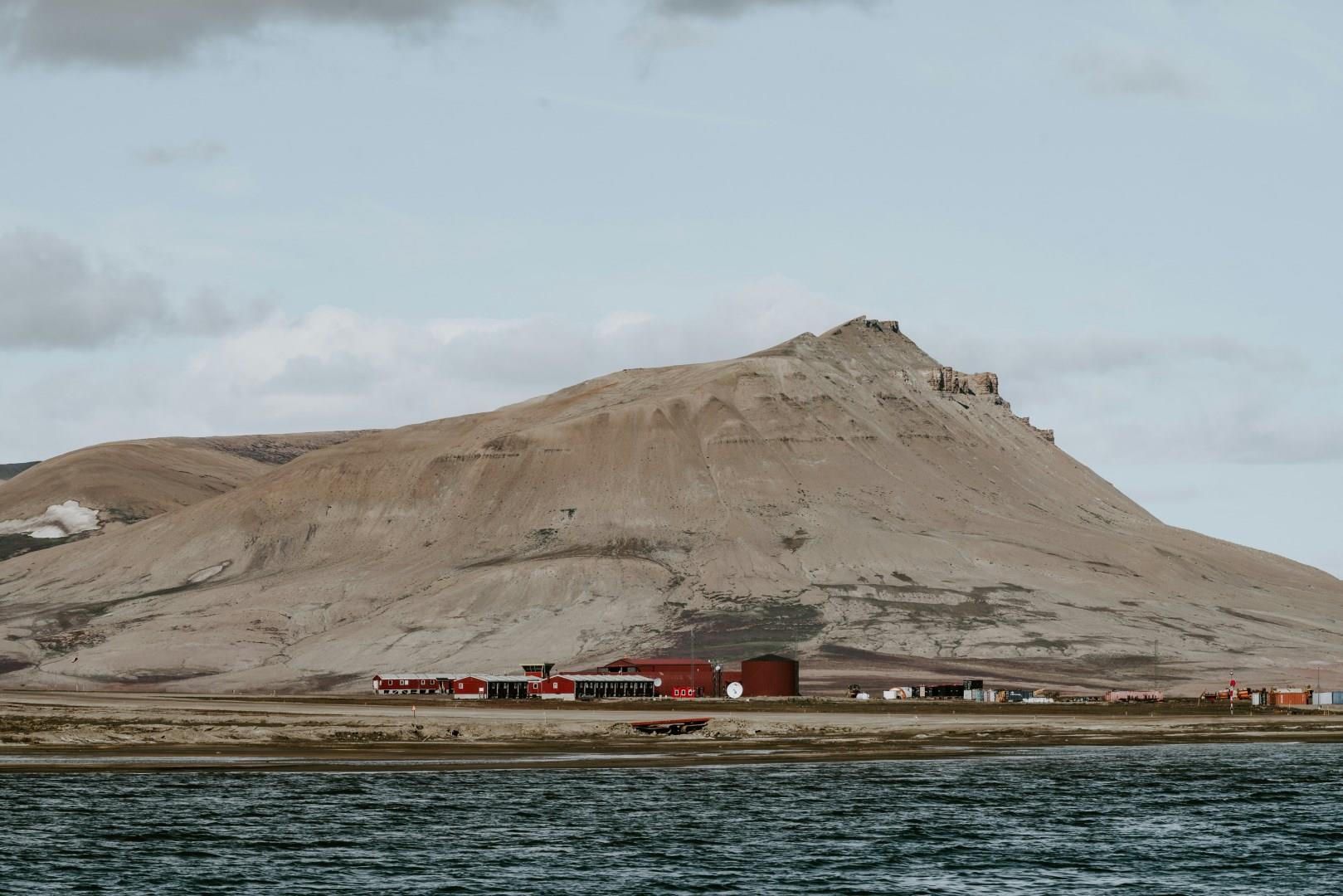
Constable Point, known locally as Nerlerit Inaat, is a small but fascinating gateway to Greenland’s remote east coast. Originally established in the 1980s to support mineral exploration and later functioning as a crucial supply base, Constable Point now serves as the main air access hub for visitors headed to the isolated communities of Ittoqqortoormiit and Scoresby Sound.
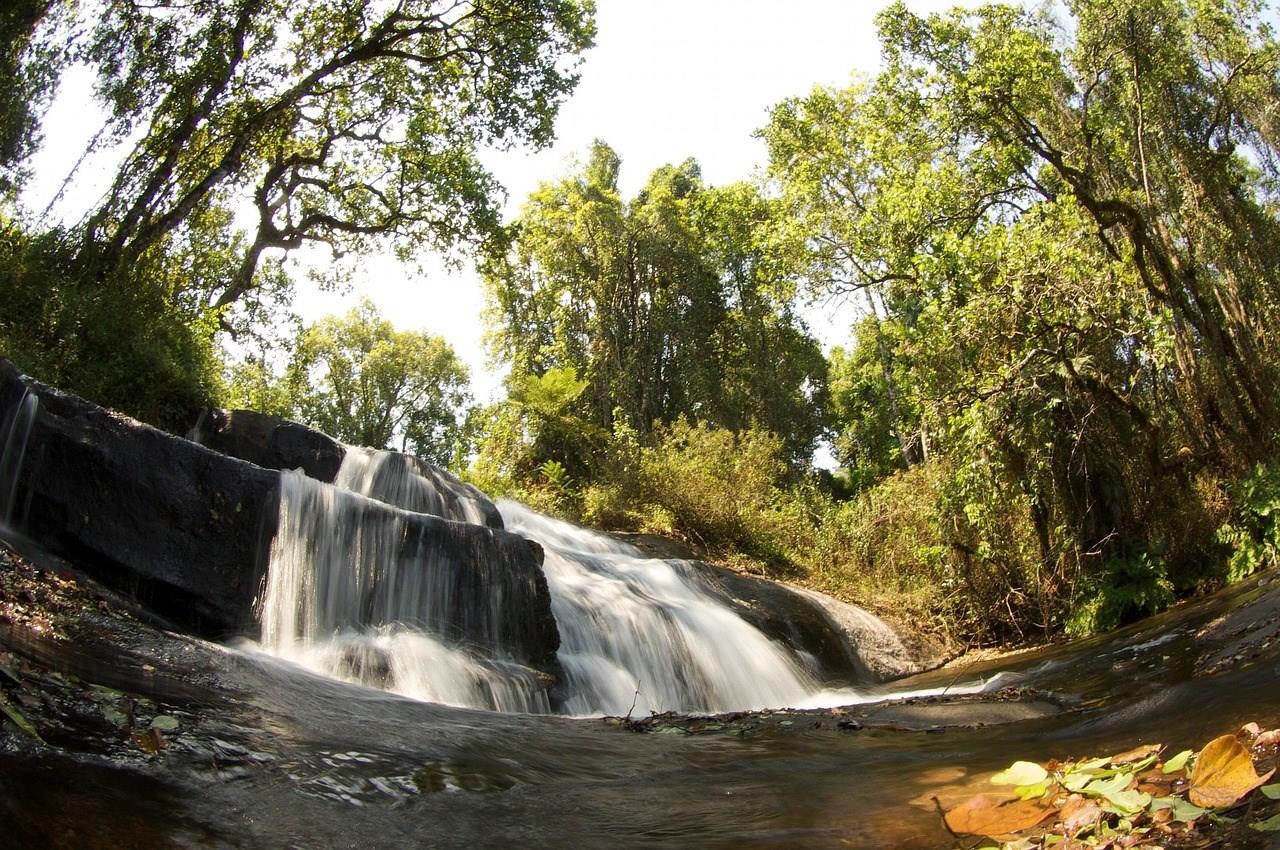
Malawi, often called the “Warm Heart of Africa,” is a landlocked country in southeastern Africa known for its welcoming people and breathtaking natural scenery. Despite its small size, the country offers remarkable diversity, from high mountain plateaus and fertile valleys to sweeping savannas and vast lakeshores.
Heimaey, the largest island in Iceland’s Vestmannaeyjar archipelago, is a captivating destination renowned for its dramatic landscapes and volcanic history. A visit to Heimaey offers a unique blend of natural beauty and cultural heritage. The island is famous for its stunning Volcanic Landscape, particularly the aftermath of the 1973 eruption of Eldfell, which dramatically reshaped the island and had a significant impact on its residents (Iceland Travel). The Eldheimar Museum, housed in a former fish factory, provides a fascinating look into the eruption’s effects and the subsequent volcanic excavation.
Nature enthusiasts will be enchanted by Heimaey’s rich birdlife, especially during the puffin nesting season. The island is one of the best places in Iceland to observe Atlantic Puffins, which flock to the cliffs from April to August (Icelandic Tourist Board). For a panoramic view of the island, hike up to Stórhöfði, one of Europe’s windiest places, which offers sweeping vistas of the volcanic terrain and the surrounding ocean.
Heimaey also boasts a charming town center with colorful houses and a vibrant local culture. The Westman Islands Museum provides insight into the local history and culture, including exhibits on the island's fishing heritage and the 1973 volcanic eruption (Westman Islands Museum). For a more relaxed experience, visit Skansinn, a historic fort that offers a glimpse into the island’s past and provides a picturesque spot for enjoying the sea views.
Fun Fact: Heimaey is home to the only golf course in Iceland that operates during the winter, thanks to the island's mild microclimate compared to the mainland. This makes it an attractive destination year-round for visitors looking to experience Iceland's unique natural environment.
From volcanic landscapes and puffin watching to rich cultural experiences, Heimaey offers an unforgettable glimpse into Iceland’s diverse and rugged beauty.