
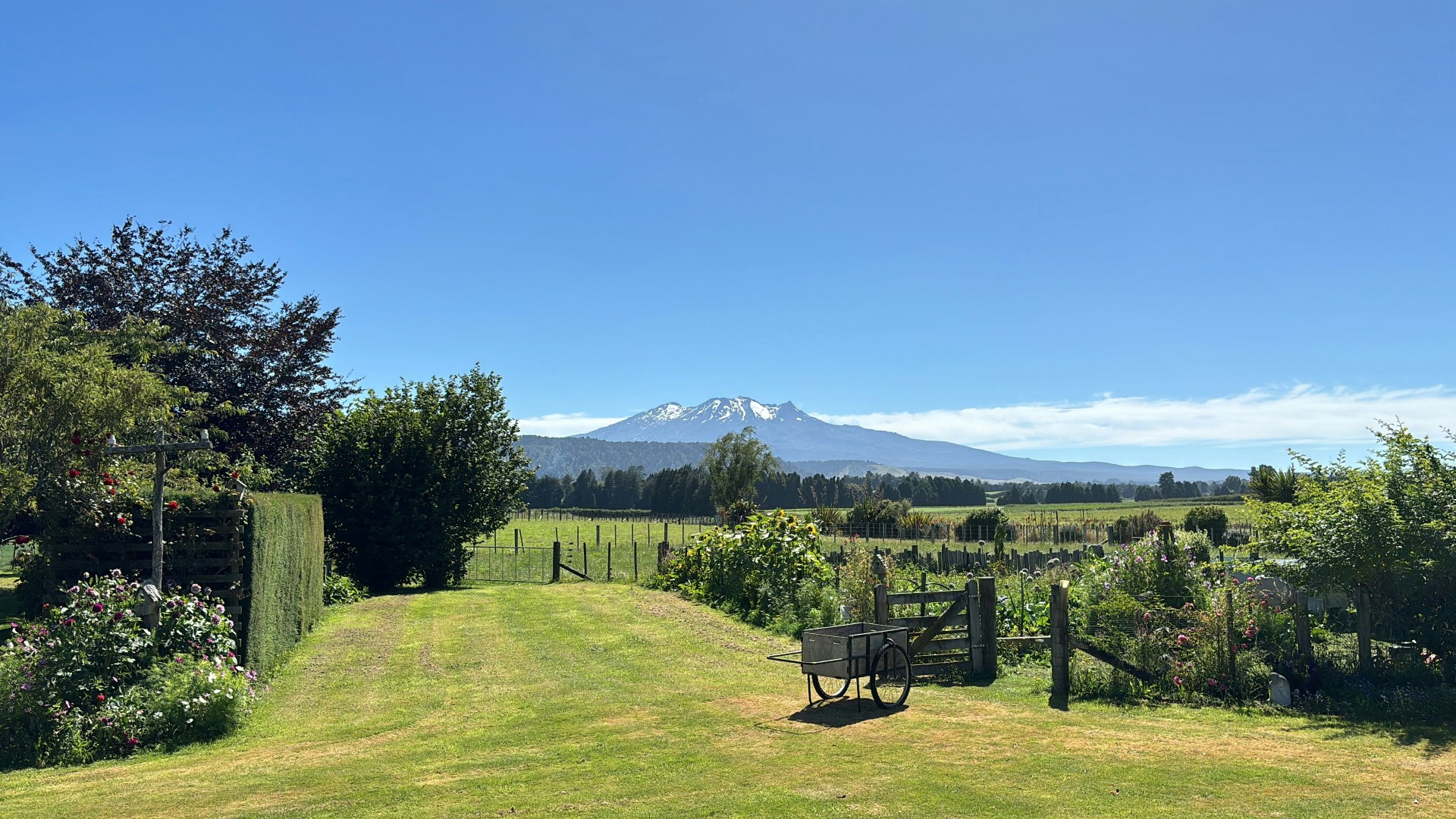
Ohakune
Ōhakune is a small town in New Zealand’s North Island, located at the southern edge of Tongariro National Park. It sits near the base of Mount Ruapehu, one of the country’s most active volcanoes, and serves as a gateway to alpine landscapes.

Greenock
Greenock, located on Scotland’s scenic west coast, is a town steeped in maritime and industrial history, with its historic waterfront and Victorian architecture offering a glimpse into its prosperous past. Once a shipbuilding powerhouse, the town’s legacy is visible in landmarks like James Watt Dock and the Old West Kirk, while the nearby Greenock Cut offers a peaceful escape for walking and cycling, framed by stunning views of rolling hills and the River Clyde.

Dominica
Dominica, known as the “Nature Island of the Caribbean,” is a haven for eco-tourists and adventure seekers. Nestled between the French islands of Guadeloupe and Martinique, this lush island boasts a remarkable landscape of volcanic mountains, dense rainforests, and stunning waterfalls. Dominica’s most iconic natural wonder is the Boiling Lake, the second-largest hot spring in the world.
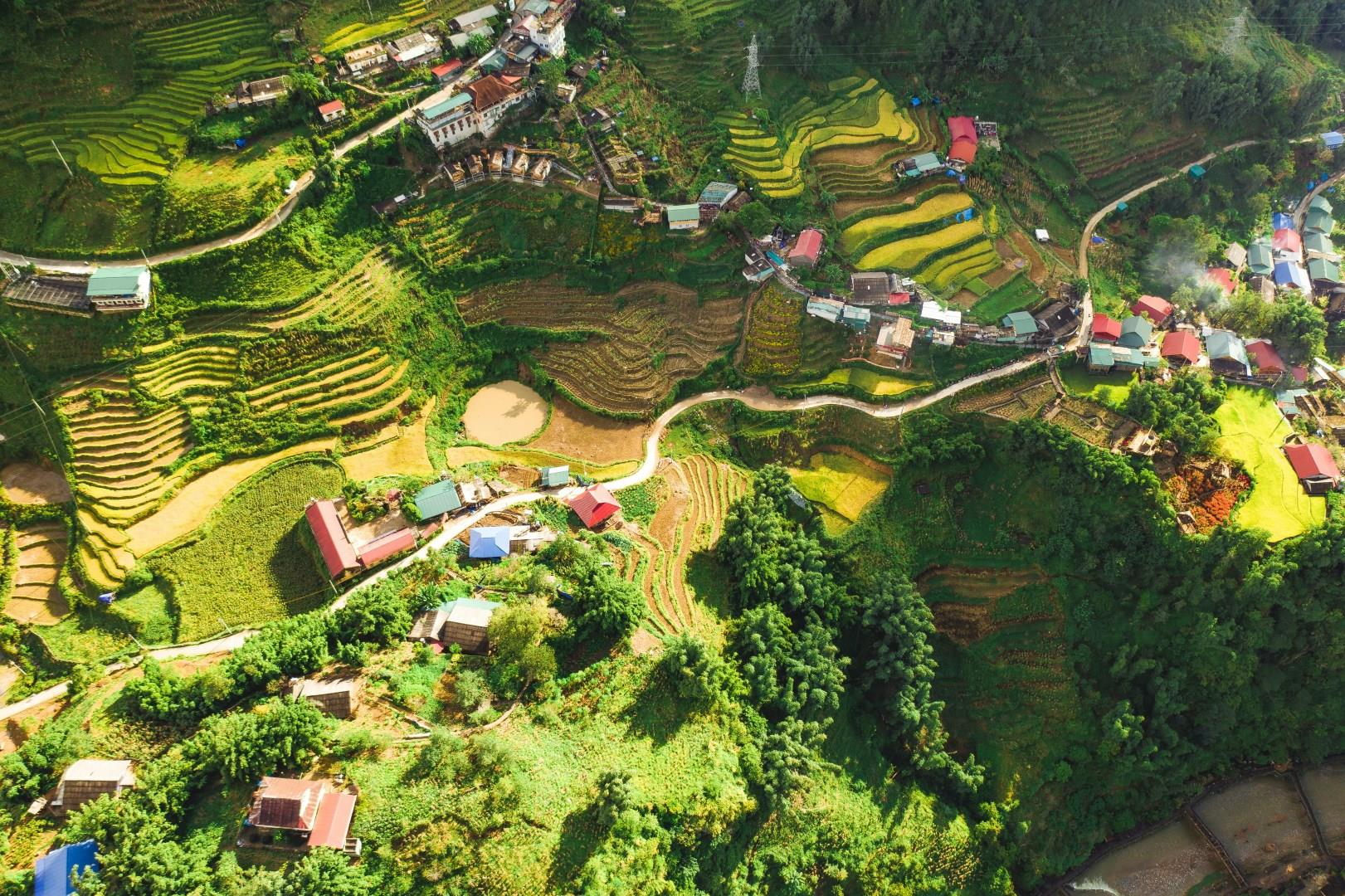
Sapa
Sapa sits high in Vietnam’s northwest mountains, shaped by French colonial planning and long-standing settlement by Hmong, Dao, and other ethnic communities.
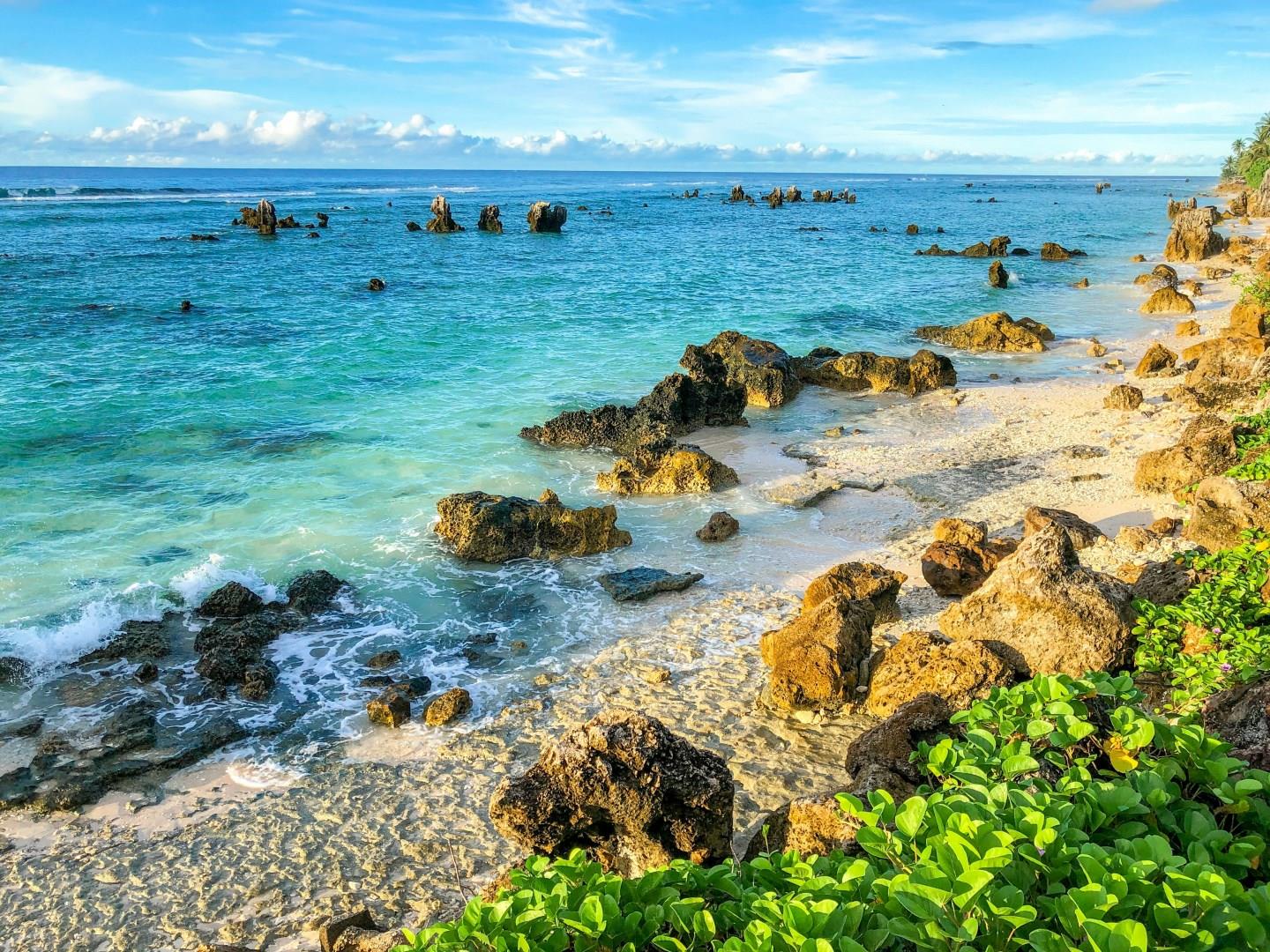
Nauru
Tucked away in the heart of the Pacific Ocean, Nauru is one of the world’s smallest and least visited countries being an island nation just 21 square kilometers in size, with a population under 10,000. But its compact size makes exploring simple and rewarding. Visitors can circle the entire island by car in under an hour, taking in stunning ocean views, remnants of World War II bunkers, and clusters of colorful homes that speak to Nauru's resilient spirit and layered past.


