

Swakopmund
Swakopmund, on Namibia’s Atlantic coast, is a town where desert meets ocean in striking contrast. Founded by German colonists in the late 19th century, its streets are lined with colonial-era buildings painted in pastel colors, giving the town a distinctly European feel.
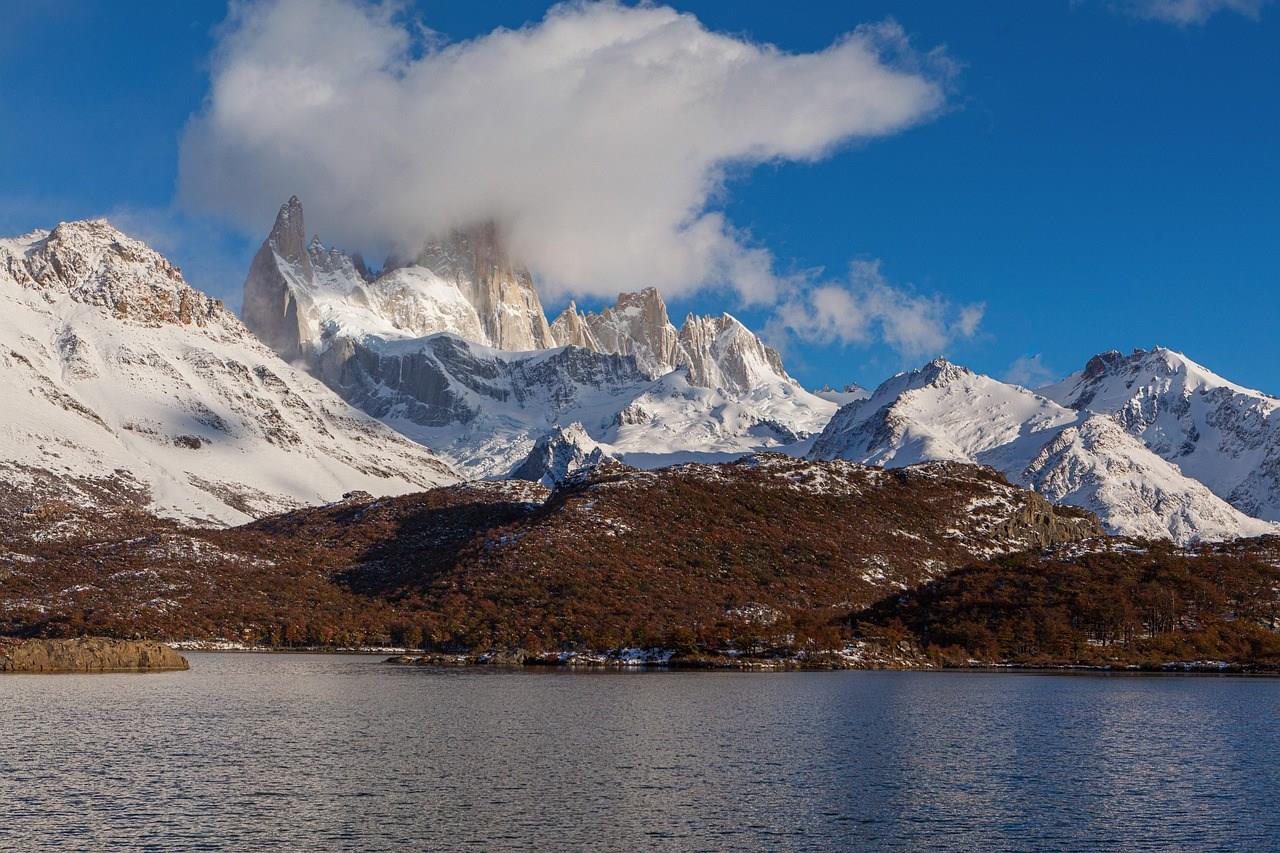
El Chaltén
El Chaltén sits at the edge of Los Glaciares National Park in Argentina’s Patagonia region, framed by the iconic peaks of Cerro Fitz Roy and Cerro Torre. Its remote location beside the Río de las Vueltas makes it a gateway to dramatic landscapes of granite spires, glacial streams and wide steppe plains.

Romania
There's a wealth of things to do and see in Romania with an intensive range of activities and places to visit. You can ski at traditional or purpose-built mountain resorts or laze in the hot sun on the Black Sea beaches comparable to those on the Mediterranean.

Sicily
Sicily, the largest island in the Mediterranean, is a captivating blend of ancient history, stunning landscapes, and vibrant culture. The island’s rich past is evident in its archaeological treasures, with Greek, Roman, Arab, and Norman influences shaping its architecture and traditions. The Valley of the Temples in Agrigento is a must-visit for history lovers, where you can wander among some of the best-preserved Greek temples outside of Greece.

Bratislava
Bratislava, Slovakia’s capital, sits along the Danube River at the crossroads of Central Europe. It's the only capital in the world bordering Austria and Hungary, which makes it an easy stop on many European itineraries. Yet Bratislava is more than a waypoint; it offers a compact city center filled with centuries of history. The Old Town’s cobbled lanes lead past Gothic cathedrals, Baroque palaces, and buildings once used by Habsburg royalty.


