

Cork
The Irish Republic's second largest city is a surprisingly appealing place - you'll find time passes effortlessly during the day, and by night the pub scene is lively. The town center is uniquely situated on an island between two channels of the Lee River.

Amboseli National Park
Nestled in Kenya’s southern region, Amboseli is a captivating destination renowned for its stunning landscapes and vibrant wildlife. Dominated by the majestic Mount Kilimanjaro, Amboseli National Park offers a striking contrast between the snow-capped peak and the arid plains below. The park is famous for its expansive vistas and the opportunity to witness diverse wildlife, including large herds of elephants, which are a major attraction.

St. John's
Saint John, the vibrant capital of Antigua and Barbuda, is a captivating destination known for its colorful colonial architecture. The city offers visitors a charming mix of history, culture, and natural beauty.
Paracas
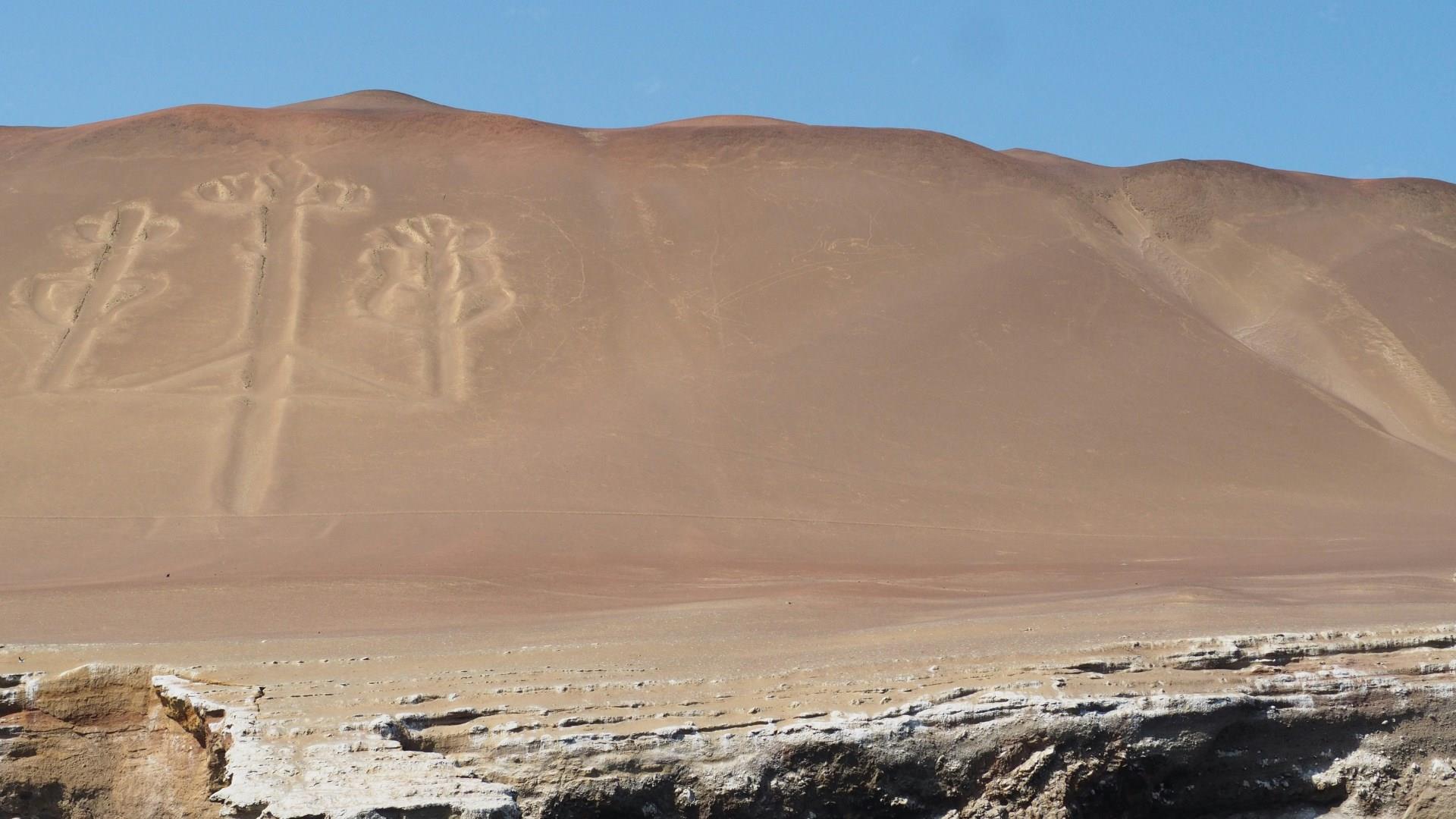
Paracas, a small coastal town in southern Peru, offers a mix of desert landscapes, marine wildlife, and ancient history. Just three hours from Lima, it’s the gateway to the Paracas National Reserve, one of the country’s most important protected areas. This reserve includes both land and sea, making it home to dramatic cliffs, wind-carved rock formations, and waters where dolphins, sea lions, and Humboldt penguins are frequently seen.

Vancouver
This vibrant, diverse British Columbia seaport is one of the jewels of Canada. Surrounded by ocean and mountains alike, Vancouver offers breathtaking vistas, not to mention world-class outdoor activities, culinary delights, fine art, and cultural events.


