

Shanghai
Shanghai is a city where contrasting timelines meet at every corner. Once a small fishing village along the Huangpu River, it grew rapidly during the 19th century into a major trading port. Today, its skyline tells a story of that transformation. On one side, the Bund’s colonial-era buildings stand tall in limestone and granite; on the other, the futuristic towers of Pudong, like the Shanghai Tower and Jin Mao, stretch into the clouds.

Ranthambore National Park
Ranthambore, a gem of Rajasthan, India, is where wildlife and history intertwine seamlessly to create an unforgettable travel experience. Famous for the Ranthambore National Park, this destination is a haven for those seeking a close encounter with nature’s most magnificent creatures. The park, once the hunting grounds of the Maharajas of Jaipur, now stands as a vital sanctuary for Bengal tigers, leopards, sloth bears, and over 300 species of birds.

Galway
Galway, on Ireland's picturesque west coast, offers a vibrant blend of culture, history, and natural beauty that enchants visitors from around the world. This historic city, often referred to as the "City of the Tribes," was shaped by the seven tribes that dominated it during the medieval period. The city's lively atmosphere is a fusion of traditional Irish charm and modern creativity, evident in its colorful streets and dynamic cultural scene.
Paracas
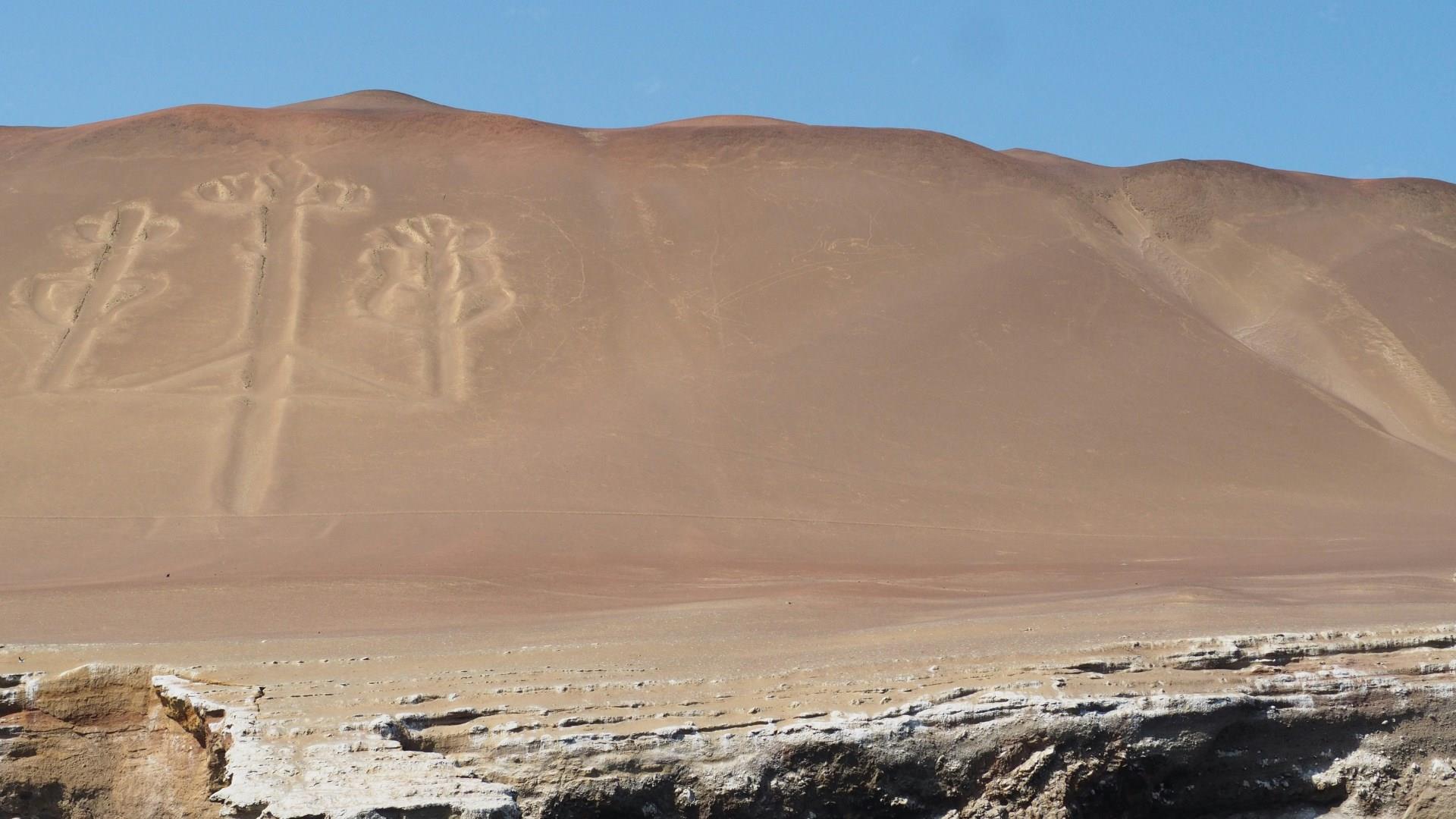
Paracas, a small coastal town in southern Peru, offers a mix of desert landscapes, marine wildlife, and ancient history. Just three hours from Lima, it’s the gateway to the Paracas National Reserve, one of the country’s most important protected areas. This reserve includes both land and sea, making it home to dramatic cliffs, wind-carved rock formations, and waters where dolphins, sea lions, and Humboldt penguins are frequently seen.
Abidjan
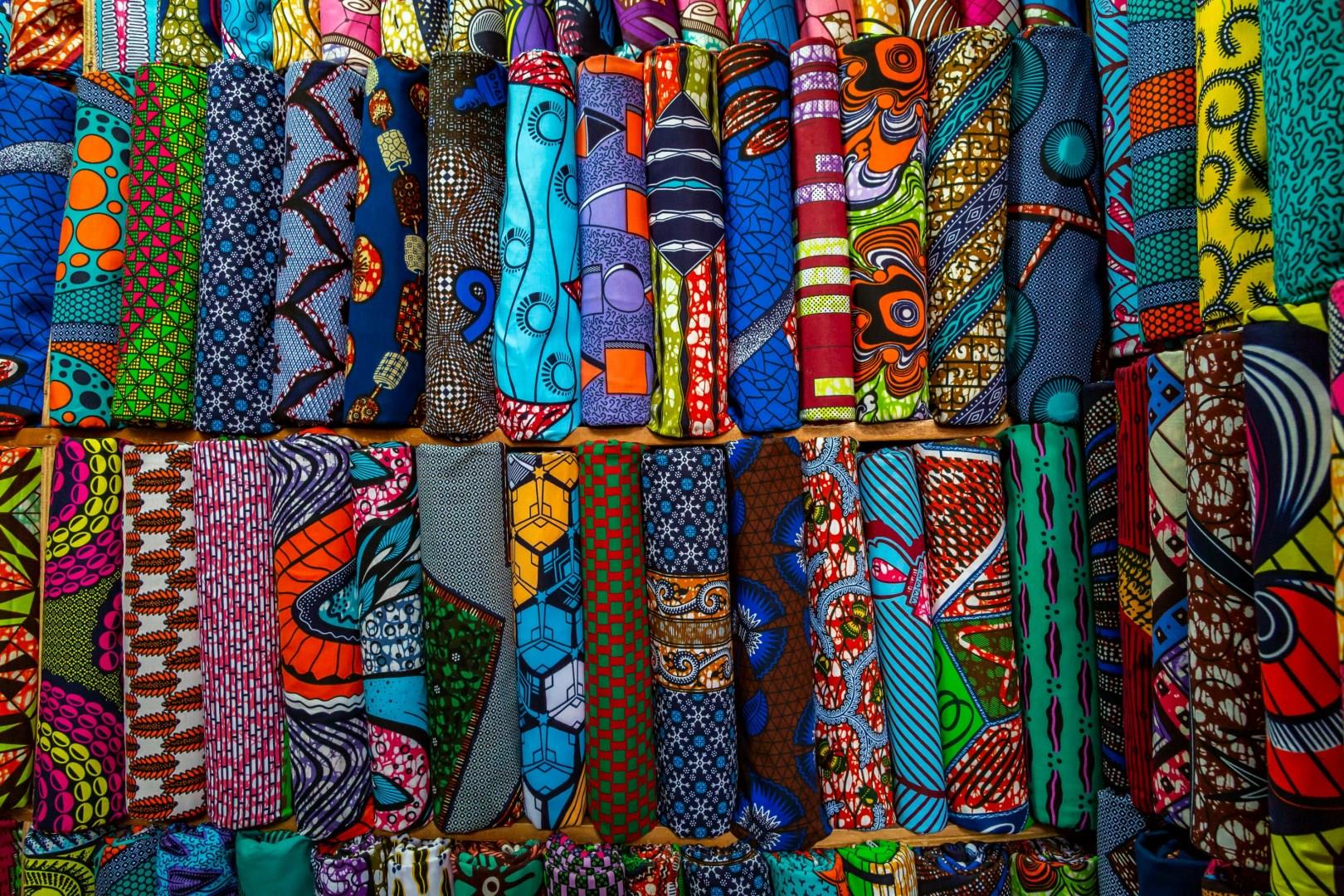
Abidjan, the largest city in Ivory Coast, is a vibrant coastal hub known for its striking skyline, lively markets, and cultural energy. Situated along the Ébrié Lagoon, it serves as the country’s economic and commercial center, blending modern urban life with West African traditions. Nicknamed the “Paris of West Africa,” Abidjan offers a dynamic mix of business districts, beachside neighborhoods, and green spaces that reflect its diverse character.


