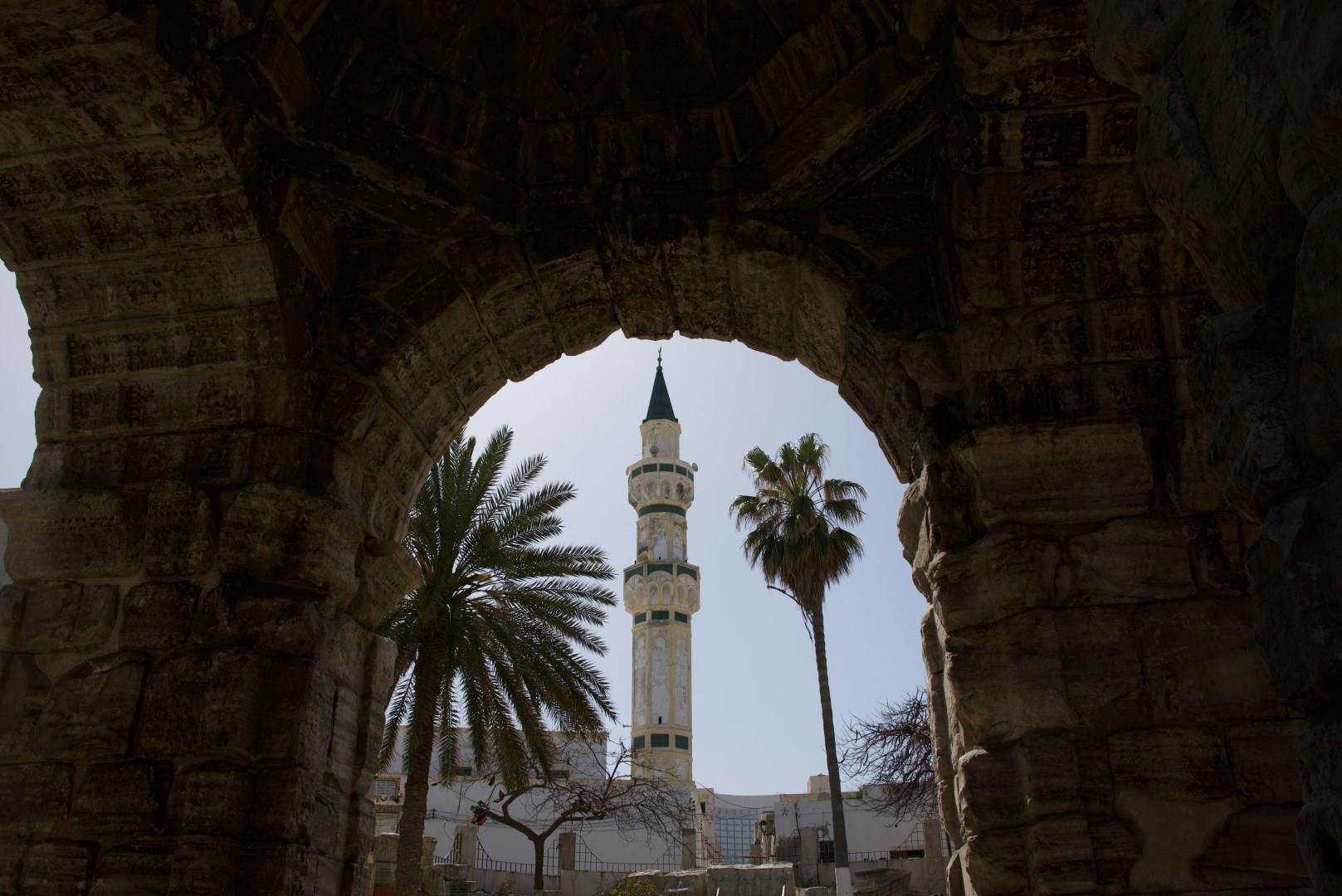
Who would have thought, back in the tumultuous coup and counter coup days of the 1970s, that Burkina Faso would become the cultural darling of West Africa? Unlikely as it seems, Burkina Faso has become the Utah of West Africa, hosting a biennial film festival that rivals the Sundance Film Festival for cultural clout. When it's not hosting film festivals, it's busy organizing its other biennial cultural festival.
Padua, a hidden gem in Northern Italy’s Veneto region, is a city where medieval splendor meets a vibrant modern atmosphere. Known for its ancient university, founded in 1222, Padua is one of the oldest and most prestigious in the world, having nurtured the minds of great scholars like Galileo Galilei.
Jellyfish Lake is a shadowed oasis hidden among the mushroom-like Rock Islands of Palau. This forest‑fringed saltwater lake invites visitors to float with millions of gentle, stingless jellyfish that glow like drifting amber clouds under emerald light. The lake formed about 12,000 years ago, when rising seas flooded an ancient reef basin that was gradually cut off from the ocean. Over centuries, its jellyfish evolved in isolation, shedding their stings and multiplying without predators in sight.
Nestled in the heart of Saxon Switzerland, Bad Schandau, Germany, is a picturesque spa town that enchants visitors with its stunning natural landscapes, historic charm, and wellness offerings. Set along the banks of the Elbe River and surrounded by the towering sandstone cliffs of the Elbe Sandstone Mountains, Bad Schandau serves as a gateway to the breathtaking Saxon Switzerland National Park.
Ronda, perched high above the El Tajo gorge in southern Spain’s Málaga province, offers one of the most dramatic landscapes in Andalusia. The city is split in two by a 120-meter-deep canyon carved by the Guadalevín River, and connected by the iconic Puente Nuevo, an 18th-century stone bridge that took over 40 years to complete. Visitors crossing the bridge can stop at the viewpoint built into the stone itself, once used as a prison.
Exploring the Amazon Jungle in Brazil is like venturing into the heart of a living, breathing world. The Amazon Rainforest, often referred to as the "lungs of the Earth," is a lush, sprawling expanse that teems with extraordinary biodiversity. Located primarily in northern Brazil, this vast jungle covers over 5.5 million square kilometers and is home to an estimated 10% of the known species on the planet.
One of the highlights of visiting the Amazon Jungle is immersing yourself in its rich ecosystem. From guided boat tours along the meandering Amazon River to treks through dense jungle trails, the region offers unparalleled opportunities for wildlife spotting. Expect to encounter vibrant toucans, elusive jaguars, and playful pink river dolphins. For an in-depth exploration, you might consider a stay at an eco-lodge, where you can experience the forest's serenity while supporting sustainable tourism.
In addition to its natural splendor, the Amazon is a cultural treasure trove. Indigenous communities, such as the Yanomami and Kayapo, live in harmony with their environment and offer visitors unique insights into traditional practices and crafts. Engaging with these communities through responsible tourism initiatives helps preserve their heritage and fosters a deeper understanding of their way of life.
Fun Fact: The Amazon Rainforest is so vast that it influences global weather patterns. Its dense vegetation releases moisture into the atmosphere, which helps regulate the Earth's climate. So, by visiting the Amazon, you're not only experiencing its natural beauty but also contributing to the health of the planet.
Whether you're an adventure seeker or a nature enthusiast, the Amazon Jungle offers an unparalleled journey into one of the world's most vital and vibrant ecosystems.