Linz
Midway between Salzburg and Vienna, Linz boasts beautiful Baroque buildings, including Old Town Hall and the Old Cathedral, Alter Dom. Lentos Kunstmuseum Linz has a major modern art collection and across the river, the striking Ars Electronica Center focuses on society, technology, and the future. Some of Austria's most iconic figures, including Adalbert Stifter, composers Wolfgang Mozart and Anton Bruckner, and the famous scientist Johannes Kepler, once called Linz home.
Leknes
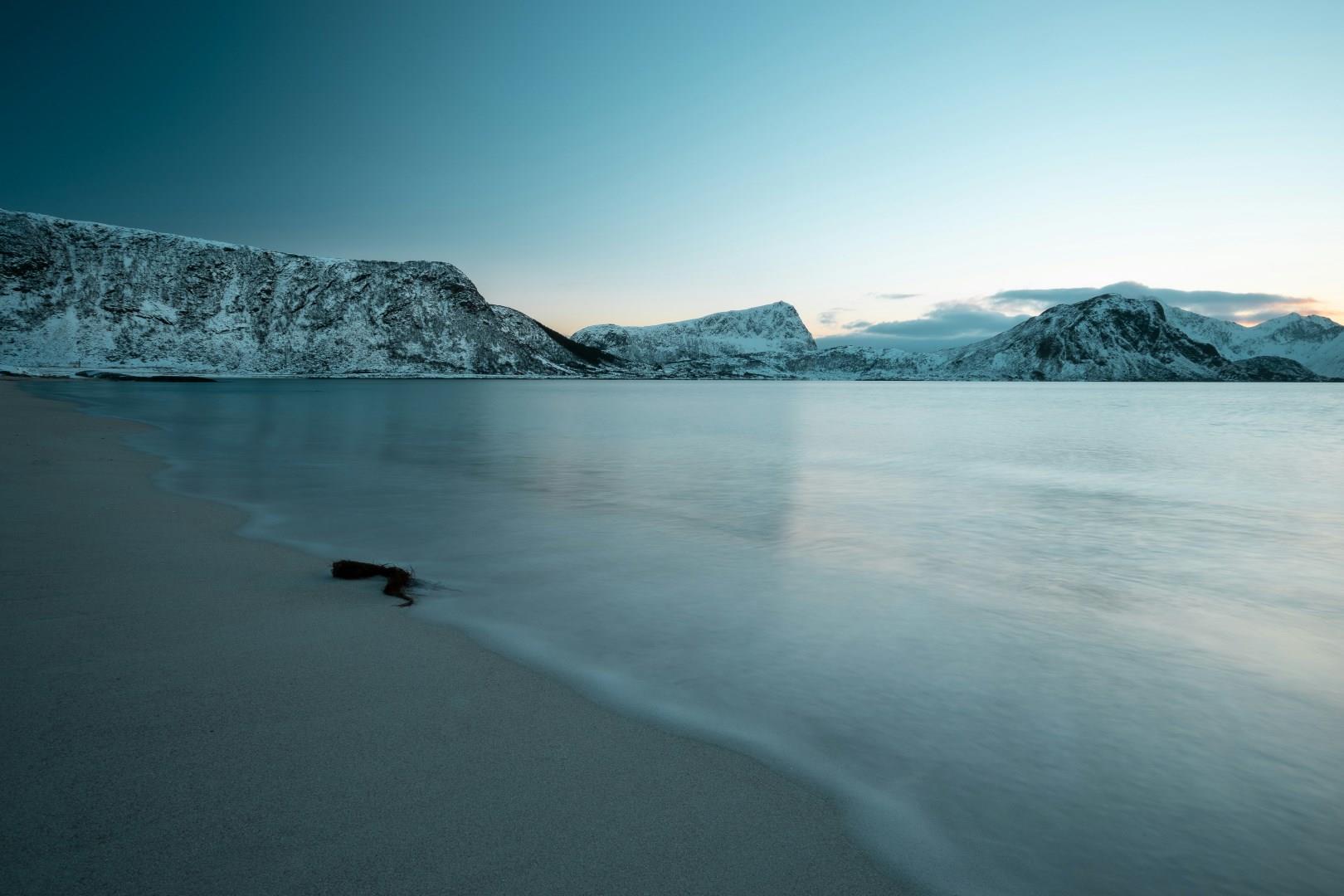
Leknes sits in the heart of Norway’s Lofoten Islands, a small town shaped more by geography than by long urban history. It developed as a regional hub for farming, fishing, and transport, serving surrounding villages spread across Vestvågøy. Rather than presenting a preserved past, Leknes reflects contemporary life in the north, practical and closely tied to seasonal rhythms.

South Carolina
South Carolina draws travelers in with its layers of history, distinctive regional flavors, and landscapes that range from quiet marshes to mountain trails. In Charleston, cobblestone streets wind past antebellum homes and hidden courtyards. Beaufort, tucked along the Intracoastal Waterway, charms visitors with moss-draped oaks, shrimp boats, and preserved architecture that has earned it comparisons to a living movie set and was indeed, where several films, including *Forrest Gump*, were filmed.
Aroumd
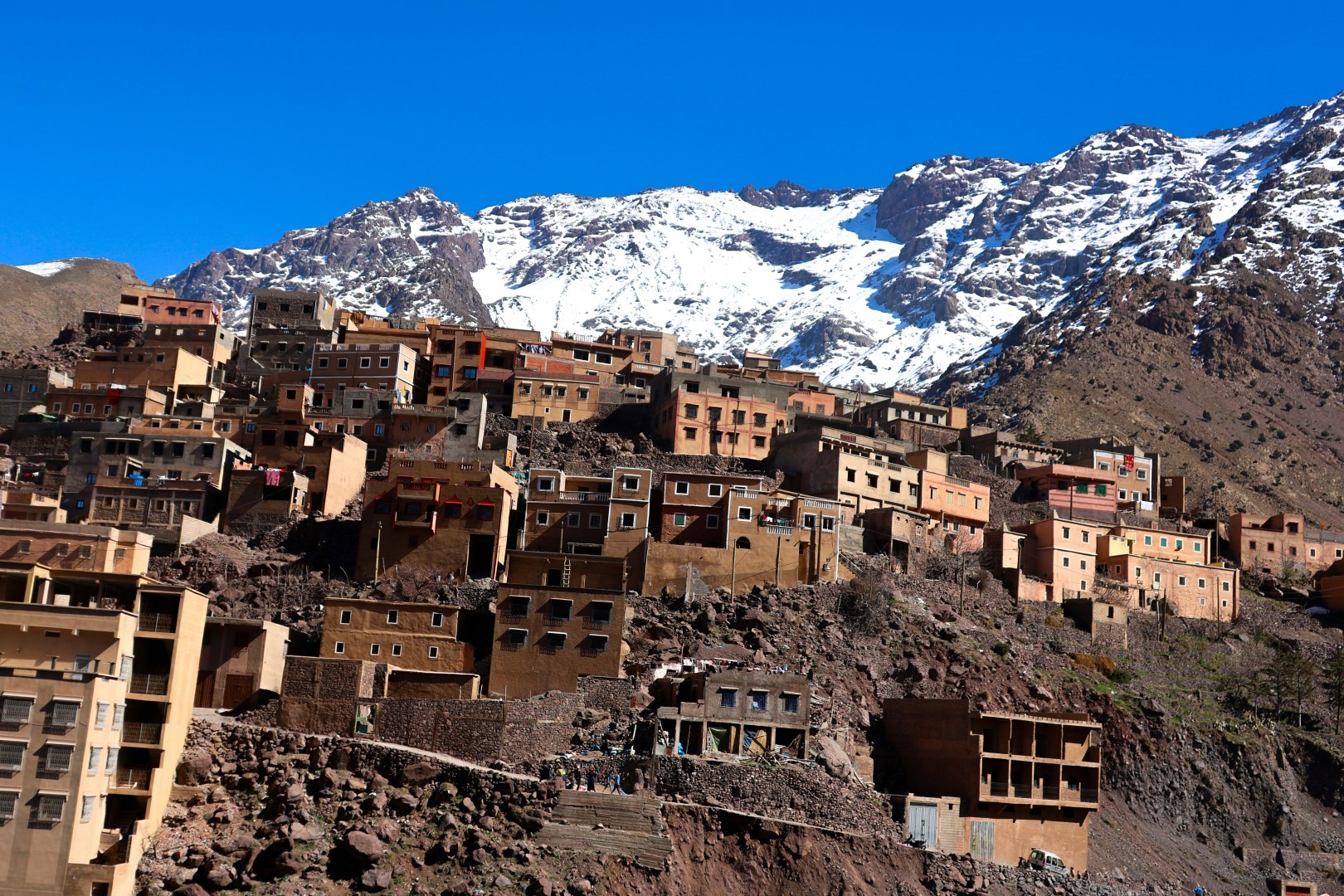
High in the Atlas Mountains, the village of Aroumd sits on a rocky slope above the Ait Mizane Valley. Reached by a walk or mule path from nearby Imlil, the journey itself sets the tone as one that's quiet, scenic, and far removed from city life. At nearly 1,900 meters above sea level, the air feels crisp, and the views stretch across terraced hills and distant peaks. The absence of large roads keeps the village peaceful, allowing visitors to experience daily life at a slower pace.
Kota Kinabalu (Borneo)
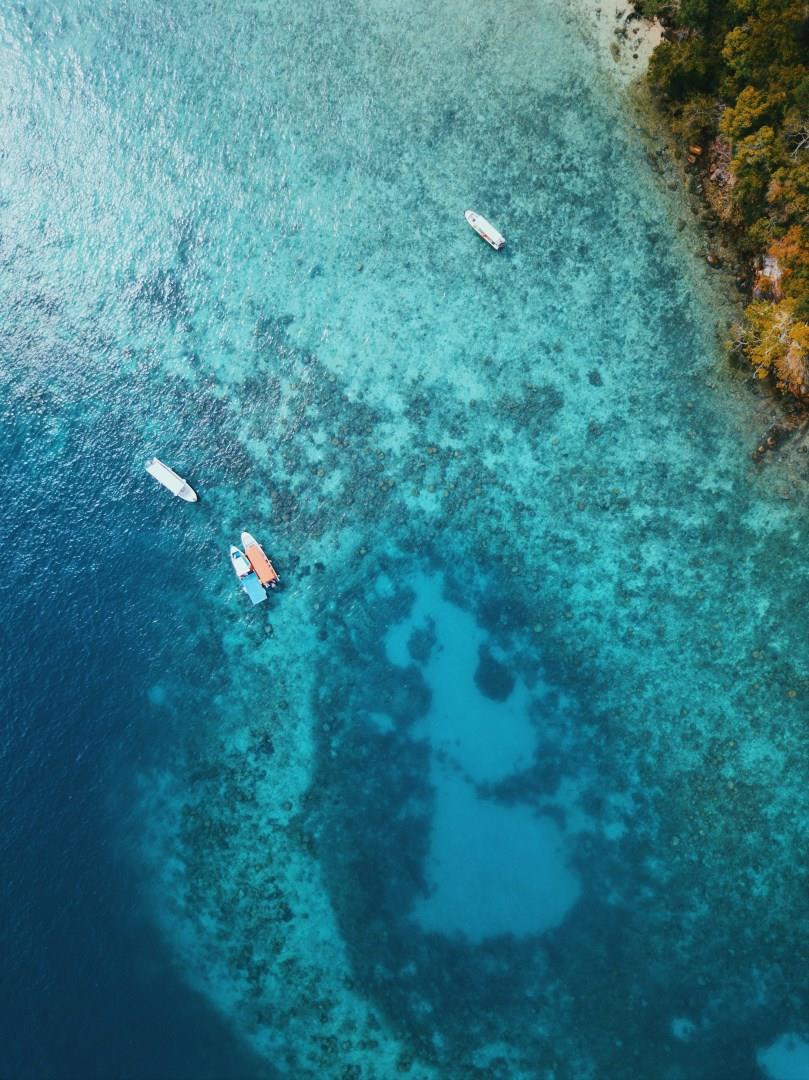
Kota Kinabalu, the capital of Sabah on the island of Borneo, is a vibrant city where modern life meets wild landscapes. Overlooking the South China Sea and backed by lush rainforests and mountains, it serves as both a cultural hub and a gateway to Borneo’s extraordinary biodiversity.