Las Vegas
Las Vegas, Nevada, is an electrifying city where glitz and glamour meet entertainment and excitement. Known as "The Entertainment Capital of the World," Las Vegas offers an unparalleled array of attractions, from its iconic casinos and luxurious hotels to its world-class dining and live shows. The city's entertainment scene is second to none, featuring legendary headliners, cutting-edge performances, and an array of themed attractions.

Kaikoura
What sets Kaikōura apart are the extraordinary marine encounters that begin just off the shoreline. The Kaikōura Canyon, an underwater gorge that plunges to great depths close to land, creates currents rich with nutrients that attract a remarkable array of sea life year-round. Sperm whales are a common sight here and are frequently spotted on local boat tours. Dusky dolphins twist and leap in large pods, and colonies of New Zealand fur seals laze on rocky outcrops along the coast.

Turks and Caicos Islands
The Turks and Caicos Islands, a British Overseas Territory in the Atlantic, are celebrated for their luminous turquoise waters and powder-soft beaches. Grace Bay on Providenciales is the most famous stretch of sand, consistently ranked among the world’s best, where calm seas and vibrant reefs invite both relaxation and adventure.
Sapa
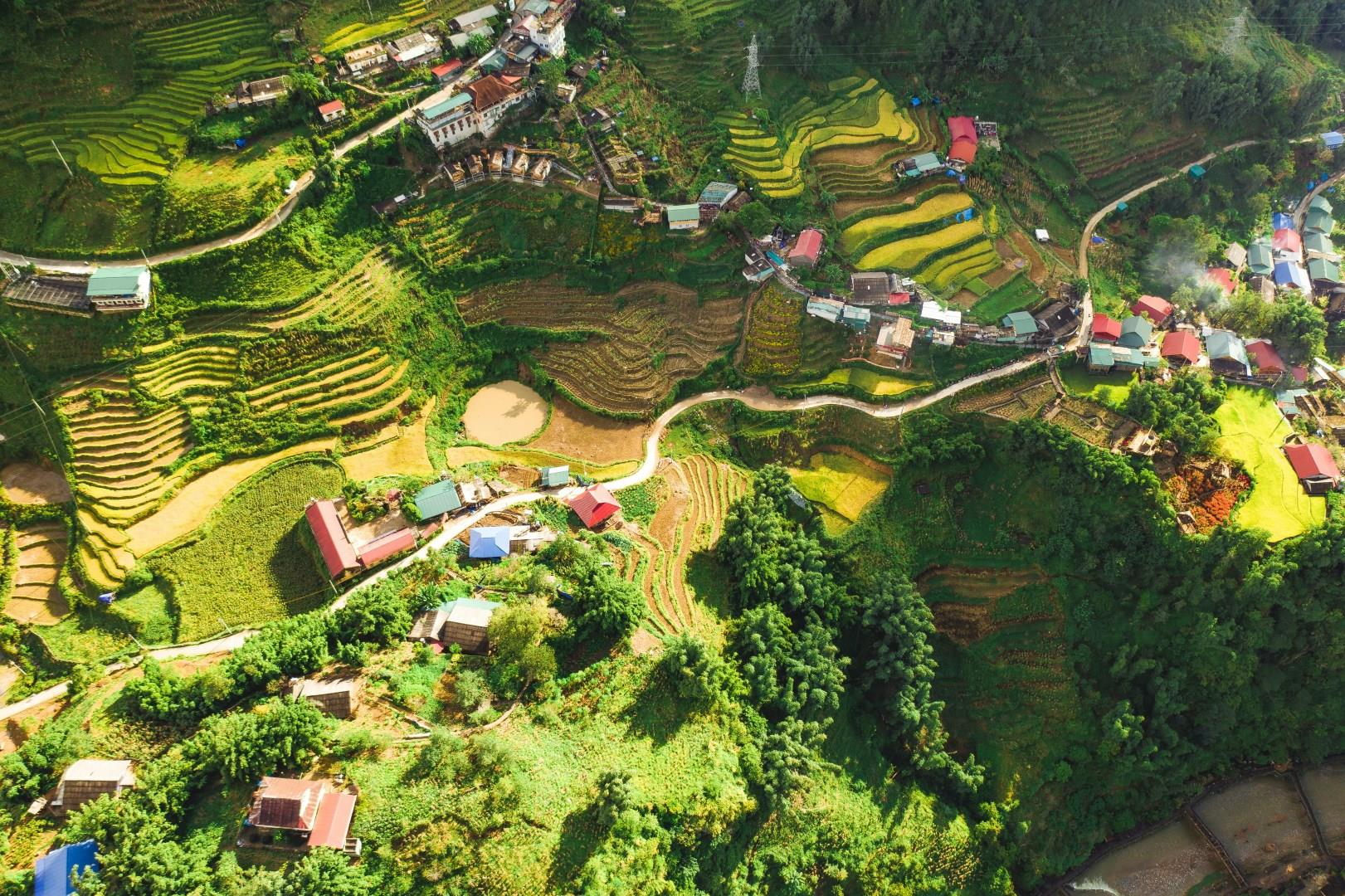
Sapa sits high in Vietnam’s northwest mountains, shaped by French colonial planning and long-standing settlement by Hmong, Dao, and other ethnic communities.

Stockholm
As a city located in a Baltic Sea archipelago, it's not surprising that Stockholm has 50 bridges and sightseeing boats moving people between its 14 islands. This contemporary and welcoming capital of Sweden is nonetheless easily navigable by foot. Every district here has a distinct flavor, from the sophisticated Östermalm to the bustling downtown energy of Norrmalm to the delightful Old Town.