Cayenne
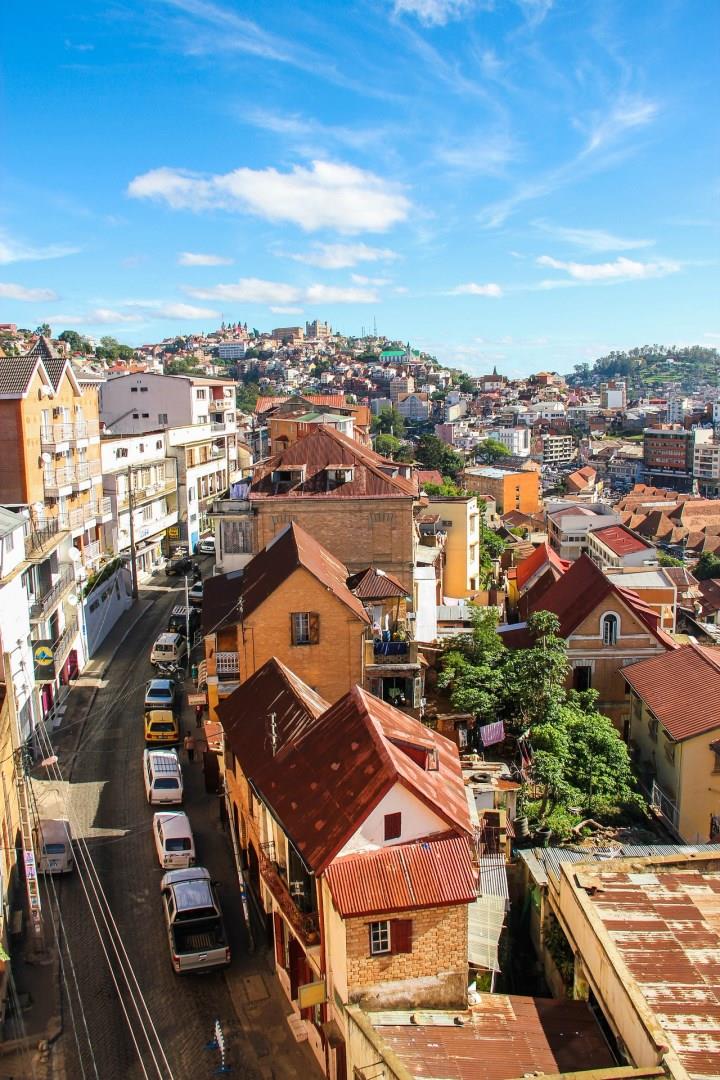
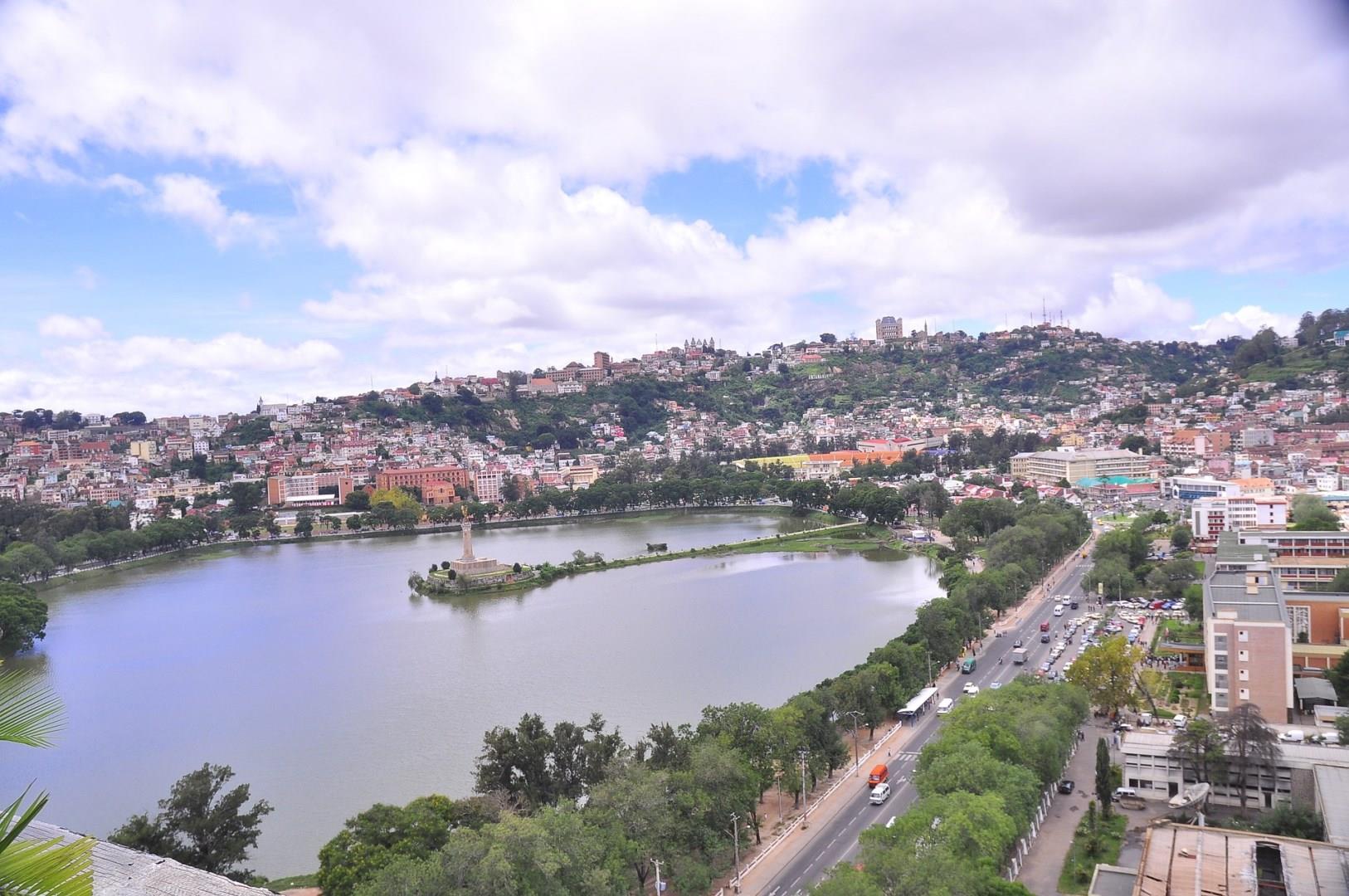
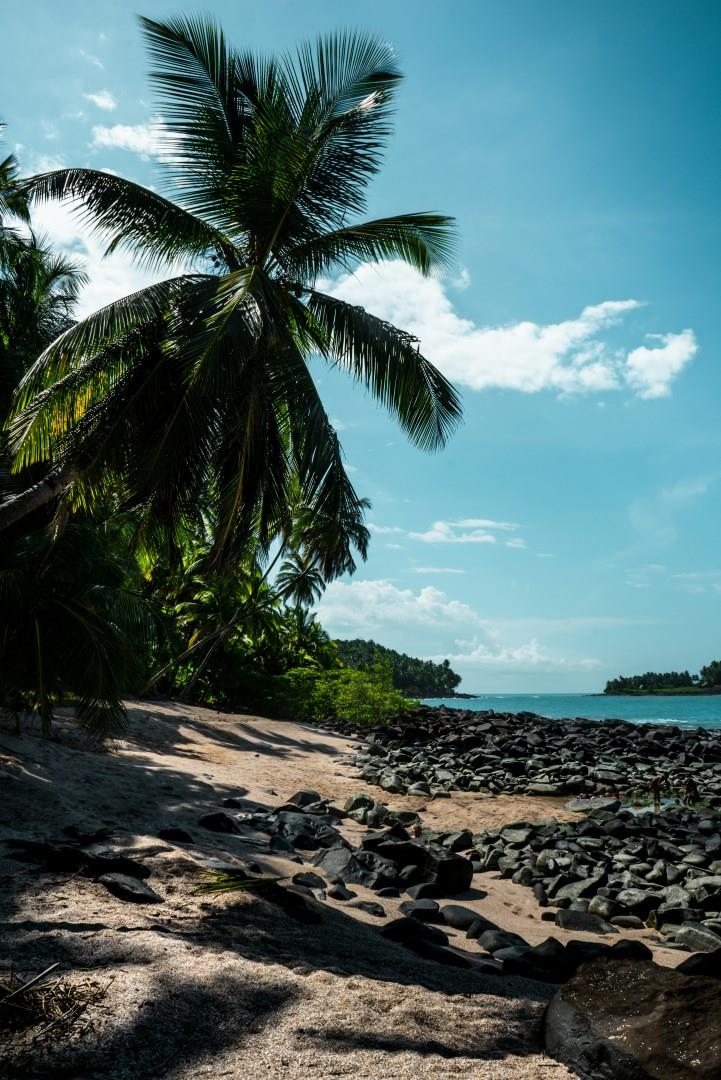
Cayenne, the lively capital of French Guiana, sits where the Cayenne River meets the Atlantic Ocean, blending South American rhythms with French-Caribbean influence. While it's officially part of France, Cayenne feels worlds away from Paris, with colorful markets, colonial architecture, and a language mix that includes French, Creole, Portuguese, and Indigenous dialects.

Louisville
Louisville is a city that knows how to make an impression. Birthplace of the Kentucky Derby, home to bourbon legends, and packed with stories that stretch back over two centuries, this river city blends tradition with bold creativity. Start downtown on West Main Street, also known as Museum Row. Here, visitors can tour the Louisville Slugger Museum & Factory, where real bats are still made, and marvel at the 120-foot baseball bat leaning against the building.

Lima
Lima's sprawling size and unique embrace of both past and present make it an unforgettably unique destination. Colonial architecture, gastronomical delights, and art are all part of the fabric of this city.
Bandar Seri Begawan
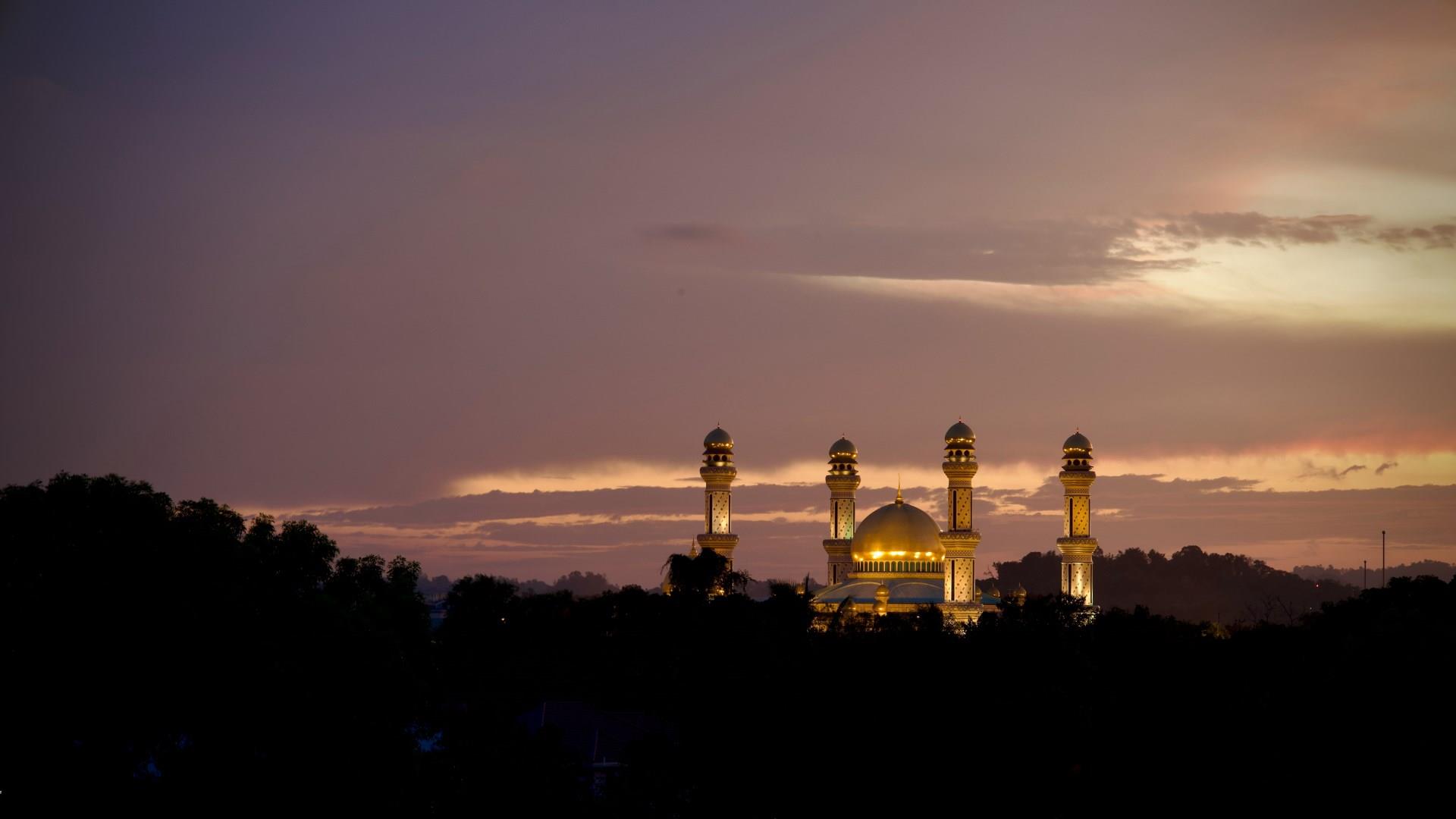
Bandar Seri Begawan, the capital of Brunei, sits along the Brunei River and combines traditional charm with modern infrastructure. The city is known for its stunning Islamic architecture, including the Sultan Omar Ali Saifuddien Mosque, with its golden dome and marble minarets reflecting in the surrounding water.

Isle of Man
The Isle of Man, nestled in the Irish Sea between Great Britain and Ireland, offers visitors a blend of rich history and distinctive culture. Known for its ancient Celtic and Viking roots, the island’s heritage can be explored through sites like Peel Castle, built on a rocky island in the harbor of Peel, and the ancient Manx museums scattered throughout.