

Taha'a
Sharing a common lagoon with Raiatean and accessible only by boat, Taha'a produces about 80% of all vanilla in French Polynesia. Taha'a is the only island in the Society Islands that can be completely circled by boat inside the protected lagoon.

Negril
Negril, Jamaica, offers an idyllic escape with its renowned Seven Mile Beach, a stretch of golden sand that is consistently ranked among the world's top beaches. The crystal-clear waters and gentle waves make it a perfect spot for swimming, snorkeling, and sunbathing. The beach is lined with vibrant beach bars and restaurants where visitors can enjoy local dishes and tropical drinks while soaking up the Caribbean ambiance.

Bari
Bari, the capital of Puglia in southern Italy, is a vibrant port city with a rich history and lively atmosphere. Begin your exploration at the Basilica di San Nicola, an iconic pilgrimage site housing the relics of Saint Nicholas. This Romanesque church, dating back to the 11th century, is renowned for its stunning architecture and historical significance (Basilica di San Nicola).
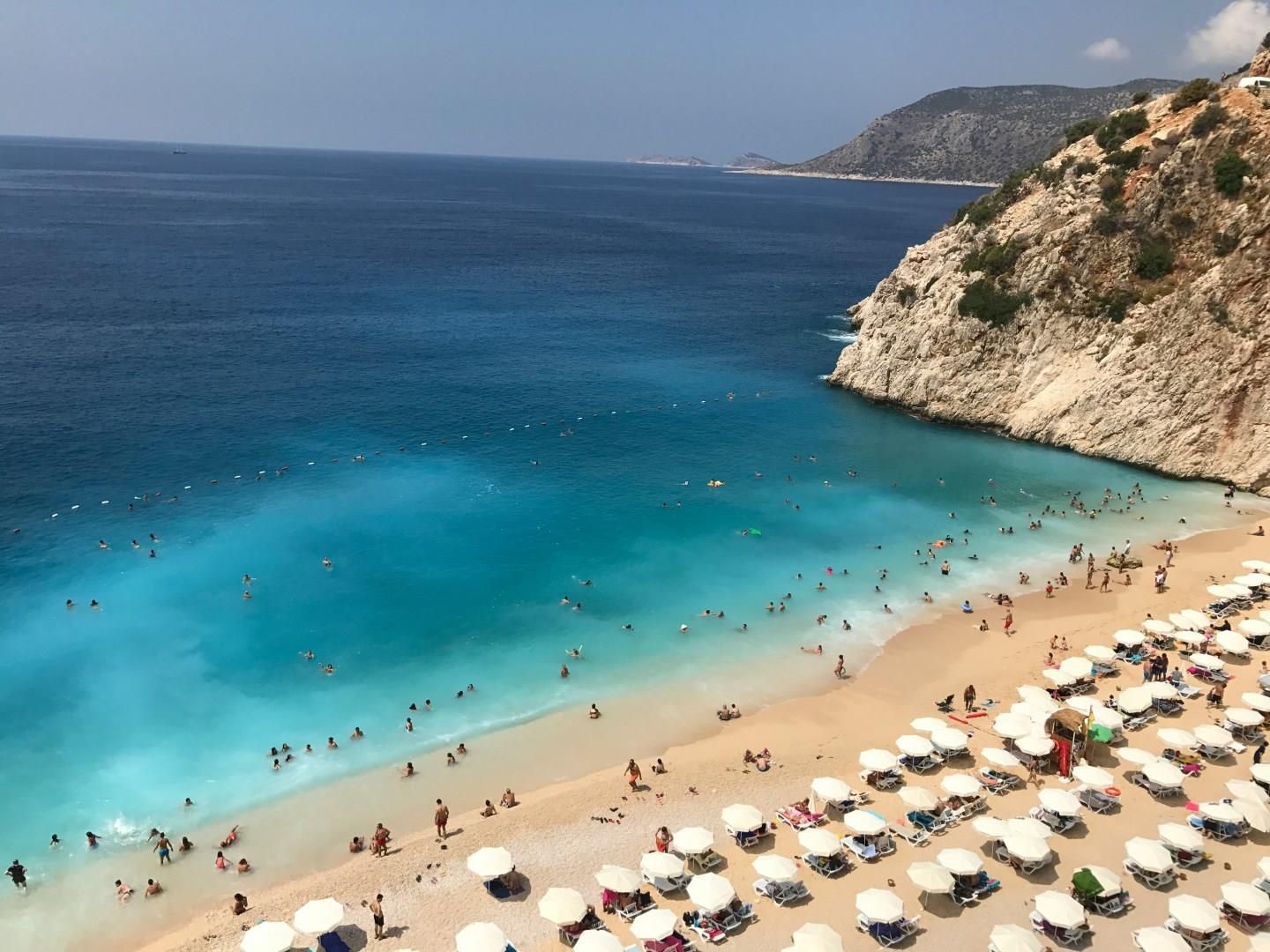
Kas
Kas, a small coastal town on Turkey’s Turquoise Coast, is known for its charming mix of history, Mediterranean scenery, and laid-back atmosphere.

Ranthambore National Park
Ranthambore, a gem of Rajasthan, India, is where wildlife and history intertwine seamlessly to create an unforgettable travel experience. Famous for the Ranthambore National Park, this destination is a haven for those seeking a close encounter with nature’s most magnificent creatures. The park, once the hunting grounds of the Maharajas of Jaipur, now stands as a vital sanctuary for Bengal tigers, leopards, sloth bears, and over 300 species of birds.


